

Alternatives to traditional 12-step programs like Alcoholics Anonymous are becoming increasingly important for individuals seeking effective recovery options. Women for Sobriety focuses on empowering women through a supportive community, emphasizing emotional and personal growth. On the other hand, LifeRing advocates for self-help and personal responsibility, encouraging you to define your own path to sobriety. Understanding these alternatives can lead to a more sustainable recovery, tailored specifically to your unique needs and experiences.
Overview of Women for Sobriety
Women for Sobriety (WFS) offers a supportive environment specifically designed for women seeking recovery from addiction. This organization focuses on the unique challenges you face in your journey towards sobriety, empowering you with tools and perspectives that promote personal growth. WFS stands apart through its emphasis on mutual respect, love, and support among members, helping to foster a sense of community and understanding.
History and Founding Principles
Founded in 1975 by Dr. Jean Kirkpatrick, Women for Sobriety was created in response to the lack of female-oriented recovery programs. Recognizing the distinct needs of women in recovery, Dr. Kirkpatrick established WFS based on principles that promote self-empowerment and emotional well-being. Its foundation has remained strong, ensuring a welcoming space for women seeking substance-free lives.
Core Philosophy and Approach
The core philosophy of Women for Sobriety centers on personal empowerment and emotional growth. The approach encourages you to embrace your unique experiences, paving the way for self-discovery and long-term sobriety. Instead of a one-size-fits-all method, WFS acknowledges the complex realities you face, focusing on holistic strategies that resonate deeply with women’s experiences in addiction.
WFS utilizes a 13-statement program that emphasizes positive thinking, emotional expression, and personal responsibility. By affirming your inner strengths and encouraging reflection, the organization promotes an environment where you can share your stories within a nonjudgmental space. This fosters mutual understanding and develops a profound sense of belonging, ultimately leading to a more sustainable recovery. Each participant learns to turn challenges into opportunities for growth, creating a stronger sense of self while nurturing valuable connections with others on similar paths.
Overview of LifeRing
LifeRing is a peer support program designed to aid individuals in their recovery from addiction through a secular approach. Emphasizing personal empowerment, it allows members to draw on their own experiences and strengths rather than adhering to a traditional 12-step methodology. This provides a flexible, non-religious alternative to Alcoholics Anonymous and resonates well with those seeking autonomy in their recovery journey.
History and Founding Principles
Founded in 2001 by Richard “Dick” H. Peabody, LifeRing emerged as a response to the needs of those seeking a non-spiritual recovery support option. The program’s founders recognized the limitations of traditional support groups, aiming to offer a platform based on mutual support and accountability. LifeRing is rooted in the belief that individuals can harness their own experiences to foster a successful recovery.
Core Philosophy and Approach
LifeRing’s core philosophy centers around the idea that sobriety is a personal journey, driven by individual motivation and empowerment. The program encourages you to focus on three key aspects: Yesterday, Today, and Tomorrow. These elements help you to reflect on past experiences, address current challenges, and set future goals, effectively fostering a proactive mindset toward recovery.
This approach prioritizes practical strategies for overcoming cravings and building a sober lifestyle. Through personal reflections and shared experiences, you engage with others in a supportive environment that values your unique journey. LifeRing’s emphasis on self-help is reinforced by technology, offering online meetings and resources that facilitate ongoing support. Empowering you to take charge of your recovery, LifeRing stands out as a viable and effective alternative to traditional recovery programs.
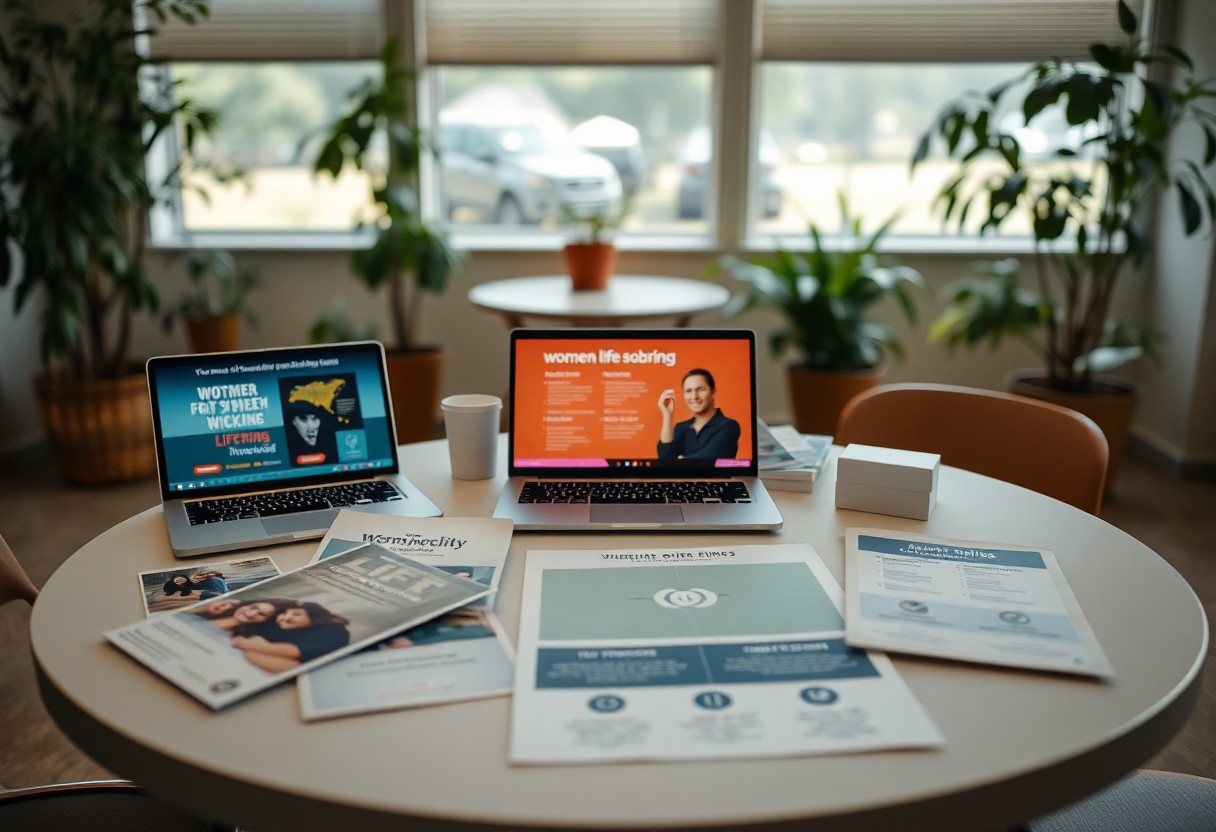
Comparing Women for Sobriety and LifeRing
| Focus | Women for Sobriety emphasizes female empowerment and emotional support, while LifeRing targets individuals seeking a secular approach to recovery. |
| Meetings | WFS meetings center around discussing personal experiences and fostering a sense of community among women. LifeRing focuses on self-help and peer support without a structured format. |
| Philosophy | WFS utilizes a 13-point program encouraging self-esteem and personal growth. LifeRing promotes abstinence as a core principle but leaves personal strategies open-ended. |
Key Differences from Traditional AA
Women for Sobriety and LifeRing diverge significantly from traditional AA by removing the religious components and emphasizing personal empowerment. In WFS, you find a nurturing environment for women, while LifeRing fosters independence through a science-based approach to recovery. Both programs reject the notion of lifelong labels, offering a refreshing take on sobriety focused on individual growth rather than a one-size-fits-all solution.
Unique Support Mechanisms
Each program offers distinctive methods for support and encouragement, tailoring approaches to their target audiences. WFS encourages personal sharing and development through structured emotional support, whereas LifeRing emphasizes peer-led discussions and the use of practical tools for self-management.
The unique support mechanisms in Women for Sobriety include a focus on building self-worth through the 13 Statements, which help you articulate feelings and goals specific to your journey. This communal sharing fosters deep connections amongst participants. On the other hand, LifeRing uses a more informal structure, emphasizing autonomy in recovery strategies. You are encouraged to create your path, aided by group discussions that focus on practical toolkits designed for real-world challenges. This flexibility empowers you to take charge of your recovery in a way that resonates with your personal beliefs and experiences.
Success Stories and Testimonials
Real-life success stories from participants in Women for Sobriety and LifeRing demonstrate the effectiveness of these programs. These testimonials provide compelling accounts of personal transformations achieved through supportive communities and self-empowerment strategies, reinforcing that recovery is not just achievable but sustainable.
Case Studies from Women for Sobriety
Women for Sobriety has helped countless women find sobriety through its unique methods. Many participants report significant lifestyle changes and improved well-being.
- 85% of women report increased self-esteem.
- 70% maintain sobriety after 12 months.
- Participants engage in weekly group meetings and share successes.
- Notable case: A participant achieved a professional promotion 18 months sober.
Case Studies from LifeRing
LifeRing’s approach to sobriety emphasizes personal responsibility and empowerment, producing remarkable outcomes among its members.
- 90% of participants reported high satisfaction with the program.
- 75% have remained sober for over 6 months.
- Weekly peer support groups are fundamental to participant success.
- One participant reported a 100% improvement in mental health after a year.
In addition to the statistics, LifeRing promotes personal narratives that illustrate distinct journeys. Each individual shares challenges faced and the profound impact of their recovery journey.
- 60% of members engage in community services as a form of giving back.
- Success stories often cite a cultivation of new hobbies and interests.
- Reports of enhanced relationships with family and friends are common.
- One study showed that participants who engaged in mindfulness practices had fewer relapse incidents.
Resources and Tools for Participants
You will find a wealth of resources and tools tailored to enhance your journey in both Women for Sobriety and LifeRing programs. These offerings not only provide valuable insights but also practical guidance for your personal growth. From informative literature to community engagement, you can access everything you need to support and sustain your recovery efforts.
Literature and Online Resources
Access a variety of literature and online resources designed specifically for your recovery journey. Websites dedicated to Women for Sobriety and LifeRing offer articles, personal stories, and self-help materials that can aid your understanding of sobriety. Additionally, many recommend books and guides, including the Women for Sobriety New Life Program materials, which provide step-by-step support for you.
Support Groups and Meetings
Participating in support groups and meetings is a fundamental aspect of your recovery process. With both Women for Sobriety and LifeRing, you can engage in regular meetings where you share experiences and gain insights from others in similar situations. These gatherings are crucial for building a sense of community, fostering accountability, and reinforcing your commitment to sobriety.
LifeRing meetings typically occur in local communities and online, offering flexibility to suit your needs. Women for Sobriety meetings often focus on empowering women through shared experiences and affirmation. Regular participation can enhance your coping strategies as you navigate the challenges of recovery. Engaging in these forums not only helps in understanding the nuances of addiction but also builds lasting connections that support you beyond meetings.
How to Get Involved
Engaging with Women for Sobriety and LifeRing offers pathways not only to recovery but also to community and empowerment. You can choose to participate in meetings, volunteer your time, or contribute your voice to discussions aimed at promoting these alternatives. Both organizations actively seek individuals who are passionate about supporting one another on this journey. Making connections and sharing experiences can significantly enhance your sober lifestyle.
Joining Women for Sobriety
To join Women for Sobriety, you can visit their website and locate a local group or online meeting. Membership is open to women who seek support in recovery, and you’ll find a welcoming atmosphere focused on personal growth. In addition to regular meetings, WFS offers various resources, such as workshops and literature designed to facilitate your journey.
Joining LifeRing
Joining LifeRing is straightforward. You can start by attending a meeting, either in-person or online, and exploring their extensive resources. LifeRing emphasizes personal responsibility in recovery, encouraging you to set and achieve your own goals in a supportive community. Membership is free, reinforcing their belief that support systems should be accessible to all.
LifeRing also offers various tools, such as their online forums and literature, which can guide you in your recovery process. You’ll find that meetings foster a sense of accountability amongst peers, reinforcing the idea that recovery is a personal journey supported by mutual encouragement. This community is filled with diverse individuals sharing their unique experiences, enhancing the collective wisdom that can be harnessed to inspire your growth and resilience.
Summing up
Considering all points, Women for Sobriety and LifeRing present you with effective alternatives to traditional Alcoholics Anonymous programs. These approaches empower you to take control of your recovery through community support, personal growth, and a focus on positive reinvention. By choosing these programs, you can find a path that resonates with your unique journey, allowing you to foster resilience and achieve lasting sobriety on your terms.
FAQ
Q: What is Women for Sobriety?
A: Women for Sobriety is a self-help program specifically designed for women struggling with substance use issues. Founded in 1975, it focuses on emotional and spiritual growth through a supportive community, encouraging participants to embrace sobriety and empowerment.
Q: How does LifeRing differ from traditional Alcoholics Anonymous (AA)?
A: LifeRing offers a secular approach to recovery, emphasizing personal responsibility and self-help rather than spirituality. Participants share their experiences and support each other without the need for a higher power, making it an alternative for those who prefer a secular path to sobriety.
Q: Can Women for Sobriety and LifeRing be used together?
A: Yes, many individuals find value in integrating both programs. Women for Sobriety focuses on issues specific to women, while LifeRing provides a broader, secular recovery perspective. Participants may benefit from the combined support and strategies offered by both organizations.