

With the decision to place a loved one in rehab, you face numerous challenges and emotions. It’s important to ask the right questions to ensure you choose a facility that meets both medical needs and emotional support. In this guide, you’ll discover vital inquiries that can lead you to the best rehabilitation options, helping you to navigate this complex process while prioritizing the health and safety of your family member.
Key Takeaways:
- Inquire about the facility’s accreditation and treatment approaches to ensure quality care.
- Discuss the types of therapy offered and the expertise of the staff to determine if they align with the individual’s needs.
- Ask about aftercare plans and support systems in place to help with the transition post-rehabilitation.
Understanding the Need for Rehab
A clear comprehension of why rehab is necessary can shape your decision-making process. When substance use or behavioral issues start to disrupt your loved one’s daily life, relationships, and health, it indicates a serious need for intervention. This phase is often marked by a decline in well-being, making timely admission critical for a successful recovery.
Signs That Indicate the Need for Treatment
Familiar signs that signify the necessity for treatment include frequent mood swings, withdrawal from social activities, neglect of responsibilities, and physical health deterioration. If your loved one exhibits a compulsive need for substances or displays risky behaviors, it’s a strong indication that professional help is required.
Types of Rehab Programs Available
Rehab programs vary widely, including inpatient, outpatient, partial hospitalization, detoxification, and holistic approaches. Inpatient facilities offer immersive support for severe cases, while outpatient services provide flexibility. Partial hospitalization serves as a bridge for those transitioning from inpatient care. Detoxification focuses on safely managing withdrawal symptoms, and holistic programs address mind, body, and spirit for a comprehensive recovery.
| Program Type | Description |
| Inpatient Rehab | 24/7 care in a structured environment. |
| Outpatient Rehab | Allows daily living while attending therapy. |
| Partial Hospitalization | Intense treatment during the day, home at night. |
| Detoxification | Management of withdrawal symptoms. |
| Holistic Programs | Integrates wellness practices alongside traditional therapy. |
Choosing the right program is important for effective recovery. Various options cater to specific needs, providing individualized support through traditional and modern methodologies. Your loved one may benefit from programs that focus on specific addictions, mental health, or co-occurring disorders. Evaluating these choices ensures that the chosen program aligns with their unique situation.
| Program Option | Key Focus |
| Inpatient | Intensive support for severe addiction cases. |
| Outpatient | Flexibility with ongoing support. |
| Detox | Safe management of chemical withdrawal. |
| Therapeutic | Addresses psychological aspects of addiction. |
| Aftercare | Ongoing support post-rehab. |
- Assess the benefits of inpatient care for high-risk situations.
- Consider outpatient services for manageable cases.
- Evaluate the effectiveness of detoxification programs.
- Look for holistic treatments to enhance recovery.
- Knowing that access to aftercare services greatly improves long-term success.
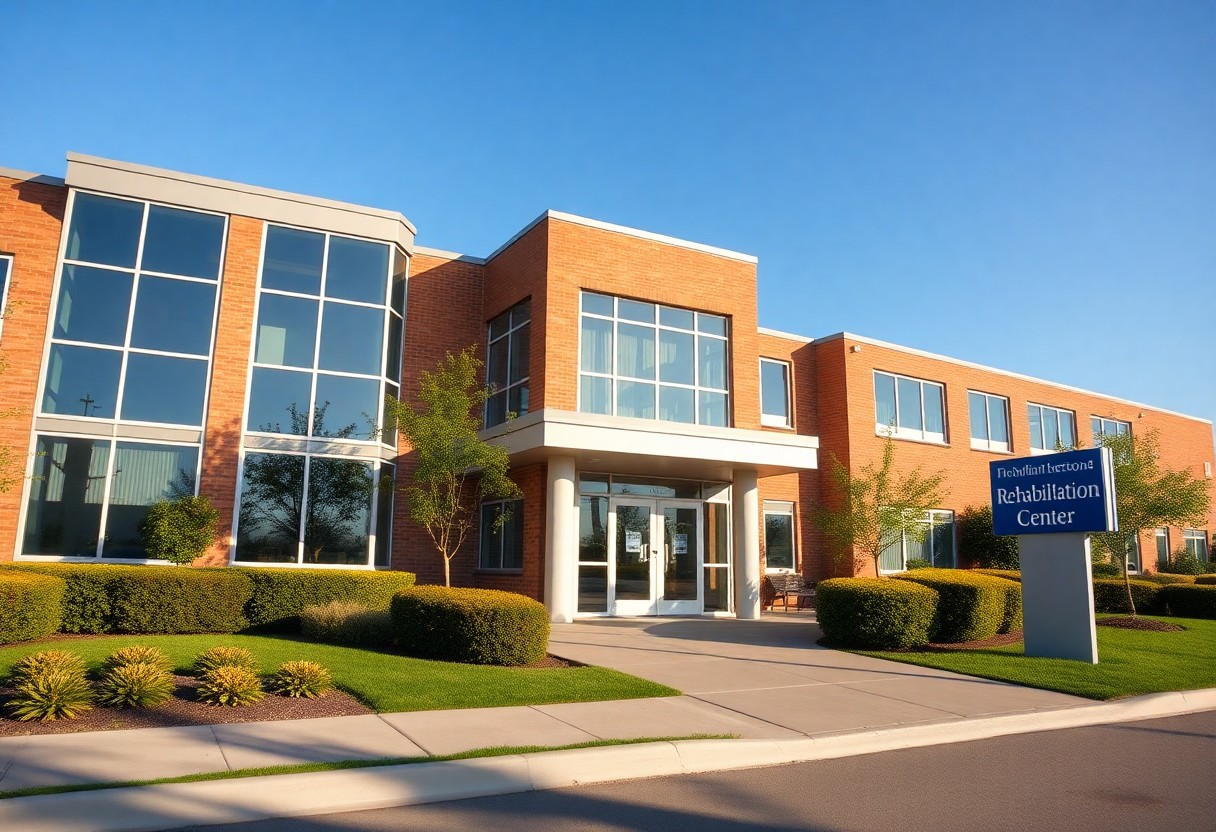
Questions About the Facility
Knowing the facility’s credentials and operations plays a significant role in your loved one’s recovery journey. Ensure the rehab center aligns with high standards for patient care and offers a supportive environment. You need to obtain detailed information about what the facility provides, from its accreditation to the qualifications of its staff. Asking the right questions will ensure your loved one receives the best possible treatment.
Accreditation and Licensing
Verify that the facility holds appropriate accreditations from recognized organizations, such as The Joint Commission or CARF. These credentials indicate that the center meets established standards for safety and care. Additionally, ensure that the rehab facility operates under the state’s regulations and maintains a valid license to operate as a treatment center.
Staff Qualifications and Experience
Inquire about the qualifications and professional backgrounds of the staff members. It’s necessary to know that your loved one will be cared for by licensed and experienced professionals, including therapists, counselors, and medical personnel. Look for staff members who have specialized training in addiction and relevant certifications, as this significantly impacts treatment efficacy.
Evaluating the staff’s experience involves understanding their educational background and years of practice in the field of addiction treatment. For example, licensed clinical social workers or psychologists with specific training in addiction recovery can provide tailored therapeutic approaches. Inquire about the therapist-to-patient ratio, as comprehensive support often comes from maintaining a manageable caseload, enabling staff to focus on individualized care. Consider asking for their success rates and methods used to stay informed on the latest practices, as ongoing education demonstrates a commitment to excellence in treatment.
Treatment Approaches
Exploring treatment approaches is vital for selecting the right rehab facility for your loved one. A comprehensive program should integrate various methods to address the complexities of addiction, tailoring the experience to individual needs. It’s necessary to understand how these approaches work together to promote recovery and long-term success.
Evidence-Based Therapies Utilized
Evidence-based therapies form the backbone of most rehab programs. These scientifically validated methods, such as Cognitive Behavioral Therapy (CBT) and Motivational Interviewing, have been proven effective in treating addiction. You should inquire how these therapies will be adapted to meet your loved one’s specific situation and challenges.
Holistic and Complementary Therapies
In addition to traditional methods, holistic and complementary therapies play an necessary role in many rehab programs. These alternative approaches, such as yoga, meditation, and art therapy, aim to heal the mind, body, and spirit, promoting overall well-being beyond mere abstinence.
Holistic therapies address the emotional and psychological aspects of addiction, often providing a calming environment that fosters healing. For instance, yoga can improve mental health and reduce stress, while art therapy can enhance self-expression and uncover underlying issues. Facilities incorporating these methods report higher patient engagement and satisfaction, showcasing the potential benefits of a well-rounded treatment plan. You should ask about how these therapies are integrated into the overall program and their effectiveness based on past outcomes.
Family Involvement
Engaging family in the rehabilitation process enhances recovery outcomes. Active participation through encouragement and support can significantly impact your loved one’s motivation and commitment. Facilities often offer family therapy sessions which facilitate open communication, addressing issues that may have contributed to substance use. Establishing a support network not only bolsters your loved one’s resolve but also helps family members process their feelings and restore relationships.
Family Education and Support Programs
Many rehab centers provide family education programs designed to inform loved ones about addiction and recovery. These sessions equip you with the knowledge necessary to understand your loved one’s struggles and the best ways to support them. Engaging in these programs can also alleviate feelings of guilt or confusion, fostering a stronger family dynamic during this challenging time.
Visitation Policies and Communication
Understanding the facility’s visitation policies and communication guidelines is necessary. Each rehab center has different rules regarding family visits, which can vary based on the stage of treatment and the individual’s progress. Knowing when and how often you can connect with your loved one helps maintain your relationship and offers necessary emotional support.
Many facilities implement structured visitation hours to ensure a focused recovery environment. Typically, families are encouraged to engage with their loved ones during designated times, which may include weekend visits or specific days for family therapy. Communication can often extend beyond in-person visits, with some centers allowing phone calls or video chats. This flexibility enables you to stay connected, providing emotional reassurance that can significantly aid in your loved one’s recovery process. Understanding these policies thoroughly will help you plan effectively and reinforce your support.
Cost and Insurance Considerations
Understanding Treatment Costs
Before enrolling a loved one in rehab, it’s vital to understand the full range of treatment costs, which can vary significantly based on the program, duration, and facility. Inpatient care often exceeds $10,000 a month, while outpatient programs might cost less but can still be substantial. Additional expenses like medications, therapy sessions, and aftercare must also be factored in to avoid financial surprises.
Insurance Coverage and Payment Options
Investigating insurance coverage is important to determine what percentage of rehabilitation costs will be covered. Many private insurers cover some rehab services, though the extent can vary widely. You’ll want to contact your insurance provider to clarify your benefits and any necessary pre-authorizations, which can significantly affect out-of-pocket expenses.
Your insurance plan may offer various payment options that can ease the financial burden of rehab. Some facilities accept multiple insurance providers, while others might provide sliding scale fees or financial aid programs for those with limited means. If your plan includes out-of-network benefits, you could save on costs by choosing a facility that participates in your plan. Always check for deductibles and copayments to ensure that you are fully aware of your financial responsibilities before committing to a program.
Aftercare and Ongoing Support
Ensuring your loved one receives sufficient aftercare is integral to their recovery journey. The transition from rehab to everyday life can be challenging, so ongoing support systems like sober living houses and outpatient therapy can enhance stability. Involvement in 12-step programs such as AA or NA offers a vital connection to a community that understands their struggles, while regular check-ins or therapy appointments can help reinforce coping strategies.
Continuum of Care Post-Rehab
Your loved one will benefit from a structured continuum of care that addresses their needs over time. Continuous support can include outpatient therapy sessions, group meetings, and regular follow-ups with health professionals. This model strengthens their recovery by promoting accountability and access to resources, reducing the likelihood of relapse.
Resources for Long-Term Recovery
Various resources are available to support sustained recovery efforts. Programs and services may include local support groups, online forums, educational workshops, and mental health services. Additionally, local community centers often host events aimed at building social networks among individuals in recovery.
The journey towards long-term recovery involves utilizing diverse resources tailored to an individual’s unique needs. National organizations such as the Substance Abuse and Mental Health Services Administration (SAMHSA) provide comprehensive directories of treatment programs and support services. Additionally, online platforms, peer support networks, and mental health apps can offer ongoing encouragement and tools. Engaging in these resources not only supports sobriety but also fosters a sense of belonging, which is critical in maintaining motivation and resilience throughout recovery.
Final Words
Hence, as you navigate the complex decision of admitting a loved one to rehab, it’s imperative to ask targeted questions about the facility’s treatment methodologies, staff qualifications, and aftercare programs. Understanding the environment and support systems in place will empower you to make an informed choice that aligns with your loved one’s needs. Additionally, explore the success rates and seek feedback from past clients to ensure you’re facilitating a path toward recovery that is both effective and compassionate.
FAQ
Q: What types of therapies are available at the rehab facility?
A: It’s vital to inquire about the range of therapies offered, including individual counseling, group therapy, family therapy, and holistic approaches. Different facilities may focus on different methods, so understanding their therapeutic options can help find the best fit for your loved one’s needs.
Q: What qualifications and experience do the staff members have?
A: Ask about the credentials of the medical and therapeutic staff. This includes their education, licensure, and years of experience working in addiction treatment. Qualified professionals can make a significant impact on recovery outcomes.
Q: How does the facility handle emergencies or medical issues during treatment?
A: Inquire about the protocols for managing medical emergencies or crises. Understanding how staff are trained to respond to emergencies, as well as the availability of medical support, will provide peace of mind for families during the treatment process.