

Drug testing can be a daunting experience for regular pot smokers like you, especially when faced with a supervised test. Understanding the methods to maximize your chances of passing is crucial, as failing can lead to serious consequences for your career and reputation. Detoxification, timing, and hydration are key factors that significantly affect your results. This post will guide you through effective strategies and crucial preparations to enhance your likelihood of success while maintaining your lifestyle.
Understanding Drug Tests
Drug tests vary significantly in their design and application, primarily aimed at detecting the presence of substances like THC in your system. Employers or institutions often utilize these tests to ensure compliance with their policies, making it crucial for you to understand how they work and which substances they target. Techniques such as urine, blood, saliva, and hair testing offer different windows of detection based on your usage frequency and body metabolism. Your ability to pass these tests hinges on knowing these factors.
Types of Drug Tests
Each drug testing method has unique characteristics that can affect the outcome. Urine tests are the most common due to their cost-effectiveness and ease of administration. Blood tests provide a more immediate snapshot of substance use, while saliva tests are quick and non-invasive. Hair tests can detect drug use over a longer period, but they are less frequently used in standard employment screenings. Understanding these formats can help you prepare accordingly.
- Urine Tests
- Blood Tests
- Saliva Tests
- Hair Tests
- Detection Periods
Thou must take note of the different detection times for these tests, as they influence your readiness to pass.
How Drug Tests Work
Drug tests detect illicit substances through specific chemical reactions that reveal the presence of drugs in your system. For urine tests, for instance, labs utilize immunoassay screening, where antibodies bind to drug metabolites. If the result is positive, confirmatory tests like gas chromatography-mass spectrometry (GC-MS) are often performed for accuracy. The type of drug, frequency of use, and your metabolic rate all impact detection. Understanding this process aids you in anticipating potential test outcomes.
To elaborate, during a urine test, your sample undergoes a series of transformations at the lab. First, an initial immunoassay reacts with drug metabolites, producing a preliminary result. If this is positive, it triggers a more complex GC-MS test, which identifies specific substances more reliably. Variations in your hydration levels, body fat percentage, and time since last use further affect these test outcomes. Familiarizing yourself with these details is crucial in strategizing your approach ahead of testing days.
Factors Affecting Drug Test Results
The accuracy of drug tests can be influenced by several key factors, which you should be aware of to effectively prepare. Important factors include the type of drug test, your individual metabolism, frequency of use, and even hydration levels. Each of these elements contributes to how long substances remain detectable in your system. Knowing how these factors interact can help you better navigate the challenges of drug testing.
Frequency of Use
Your frequency of drug use plays a significant role in how long substances remain detectable in your body. Occasional users generally clear substances faster than regular smokers, who may have metabolites lingering for longer periods. The more often you consume, the more buildup occurs, complicating your chances of passing a test. Understanding your consumption patterns is vital.
Metabolism and Body Composition
Your individual metabolism and body composition can drastically affect the clearance of THC from your system. Factors such as age, gender, weight, and genetic predisposition all contribute to how quickly your body processes drugs. Faster metabolisms lead to quicker detoxification, while more body fat can store THC, prolonging its presence. Knowing these elements helps tailor your approach to passing a supervised drug test.
Preparing for a Drug Test
Preparation is vital for passing a drug test, especially for regular pot smokers. Begin by assessing the type of test you’ll face-urine, hair, or saliva-as this will dictate your approach. Acquire a reliable drug test kit to gauge your levels, which can guide your detox strategy and timeline. Relying solely on hope is insufficient; proactive measures are your best ally in ensuring you test negative.
Detox Methods
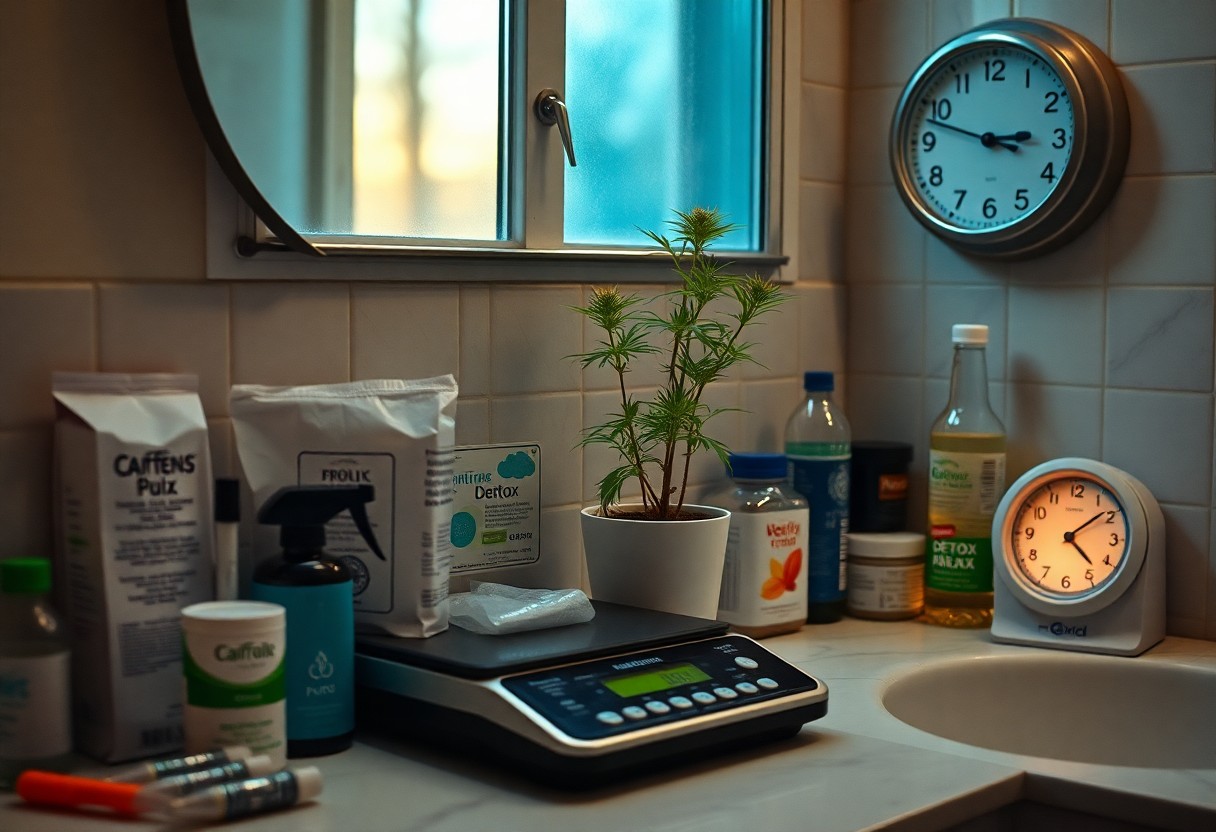
Detox methods vary in effectiveness, but hydration is a fundamental strategy to dilute toxins. Increasing your water intake, coupled with diuretics like caffeine, can assist in flushing out THC metabolites. Additionally, certain detox drinks specifically formulated for passing drug tests can expedite the process. Always validate the ingredients, as some may yield mixed results.
Timing and Planning
Effective timing and meticulous planning can make a significant difference when preparing for your drug test. Start your detox several days-or even weeks-before the test day, especially if you smoke regularly. Giving your body adequate time to cleanse itself increases the likelihood of a negative result. Schedule your detox regimen around your test date, ensuring you do not just plan detox but also allow time for recovery after.
Assessing your timeline requires awareness of the detection windows associated with THC. For heavy users, THC can linger for up to 30 days, while infrequent users may test positive for only a few days. Therefore, if you know the test date in advance, plan your detox based on your last use. Adjust your hydration, diet, and detox methods to fit a schedule that offers your body ample opportunity to eliminate the substance effectively. Aim for at least 7-10 days of dedicated detox to maximize your chances of passing.
Passing Techniques for Regular Users
The right techniques can make a significant difference in your ability to pass drug tests as a regular cannabis user. Understanding the available methods and applying them correctly ensures that you can navigate potential challenges effectively. These techniques include using cleansing products and substitution methods, which each offer unique advantages and drawbacks.
Cleansing Products
Cleansing products, such as detox drinks and pills, can help you eliminate THC metabolites from your system more quickly. Many of these products are designed to mask the presence of drugs in your urine by flushing your system or altering its composition. Look for products that have a proven track record and offer satisfaction guarantees.
Substitution Methods
Substitution methods involve using someone else’s urine or synthetic alternatives to bypass drug detection. This technique is popular among regular users, as it directly targets the test’s ability to find cannabis metabolites. Always ensure that the sample is at body temperature and mimic the characteristics of your own urine, including color and foam.
Using substitution methods can be highly effective if executed properly. For instance, synthetic urine kits are available that closely replicate human urine’s chemical makeup, including pH, specific gravity, and creatinine levels. Ensuring the temperature of the sample is critical, as it should be between 90-100°F when delivered for testing. Additionally, securing a reliable source of clean urine from a trusted friend can also work, but be cautious of the possibility of detection methods that test for the age of the sample or its biological aspects. Make sure to plan ahead, understand the risks, and practice for optimal execution on the day of your test.
Legal and Ethical Considerations
Navigating the legal landscape around drug use is important for any regular pot smoker, particularly regarding supervised drug tests. It’s important to understand that while marijuana remains illegal federally, many states have legalized its use for recreational or medicinal purposes. Consequently, the intersection of state laws, workplace policies, and individual rights can create a complex environment where informed decisions are necessary to protect yourself legally and ethically.
Workplace Policies
Your employer’s drug testing policies can vary significantly, affecting your job security and overall workplace experience. Many companies adopt zero-tolerance policies regarding cannabis use, regardless of state laws. Familiarizing yourself with your employer’s specific rules and the potential consequences of failing a drug test is important. In some scenarios, you may be able to negotiate terms or provide medical documentation if applicable.
Rights of Users
As a cannabis user, you possess certain rights, but these depend heavily on state laws and workplace regulations. In many regions, you cannot be penalized for legal off-duty marijuana use, yet this can become murky in jurisdictions with strict employer policies. Understanding the definition of ‘reasonable suspicion’ and your right to privacy is vital in safeguarding your interests, especially if drug tests are unexpectedly required.
Exploring the rights of users highlights the vital importance of knowing your specific protections under state legislation. For instance, several states have passed laws preventing discrimination against medical marijuana patients, ensuring they cannot be dismissed solely based on positive drug tests under prescribed conditions. However, this immunity may not always extend to recreational use, leaving you vulnerable in industries with strict drug policies. Empower yourself by researching local laws and advocating for appropriate workplace accommodations when necessary, such as discussing your usage ahead of time to mitigate potential issues during scheduled tests.
Myths and Misconceptions
In the world of drug testing, numerous myths circulate among regular users. These misconceptions can lead to ineffective practices that might jeopardize your chances of passing a supervised test. Understanding what is real and what isn’t is crucial for navigating the often murky waters of drug testing.
Common Myths
One widespread myth is that detox drinks or methods guarantee a clean result within hours. Many believe that by simply consuming these products, they can flush THC from their system quickly. Another prevalent misconception is that abstaining for just a few days is sufficient to eliminate traces of cannabis, ignoring the fact that detection windows vary greatly depending on several factors.
Evidence-Based Facts
Contrary to popular belief, the human body metabolizes cannabis at a rate influenced by many variables including your metabolic rate, frequency of use, and body fat. Studies show that THC can remain detectable in your system from a few days to several weeks, depending on your level of use. Additionally, while testing methods vary, urine tests can often identify THC even if you haven’t consumed it for days.
The distinction between myth and reality is critical here. Evidence indicates that heavy users might retain THC for upwards of 30 days, while occasional users might clear it in less than a week. Metabolic factors, such as hydration levels and body composition, play a significant role in how quickly you can eliminate cannabis from your system. Understanding these facts can provide a more effective strategy for passing drug tests, beyond relying on detox products that often lack scientific backing.
Final Words
Conclusively, successfully passing a supervised drug test as a regular pot smoker requires strategic planning and awareness of effective detox methods. You need to understand the time it takes for THC metabolites to clear from your system, incorporate detoxifying practices, and maintain a healthy lifestyle leading up to the test. Being informed about the type of test you will face allows you to tailor your approach accordingly. With the right preparation, you can increase your chances of a negative result and continue your lifestyle without interruptions.
FAQ
Q: How long does marijuana stay in my system for drug testing purposes?
A: The duration marijuana stays detectable in your system varies based on factors such as usage frequency, body fat percentage, and metabolism. Regular users may test positive for THC in urine for 30 days or longer after last use, while occasional users may clear it within a week.
Q: Are there any effective methods to detoxify that guarantee passing a drug test?
A: While various detox products and home remedies claim to help clear THC from your system, none provide a guaranteed result. Hydration, exercise, and avoiding additional cannabis are recommended, but they do not ensure a negative test result.
Q: What should I do if I have a drug test scheduled and I regularly use marijuana?
A: If facing a drug test soon, stop using marijuana immediately, increase hydration, engage in physical activity, and consider waiting it out. If possible, inquire about the testing methods used, as some tests, like hair tests, can detect substance use over a longer period.