

There’s a growing concern around drug testing, particularly when you find yourself testing positive for opioids. Understanding the implications of such results is important for ensuring your health and legal standing. This post explores effective defense strategies for addressing positive opioid tests linked to legitimate prescriptions. You’ll discover how to navigate potential misunderstandings and protect your rights while managing your health responsibly.
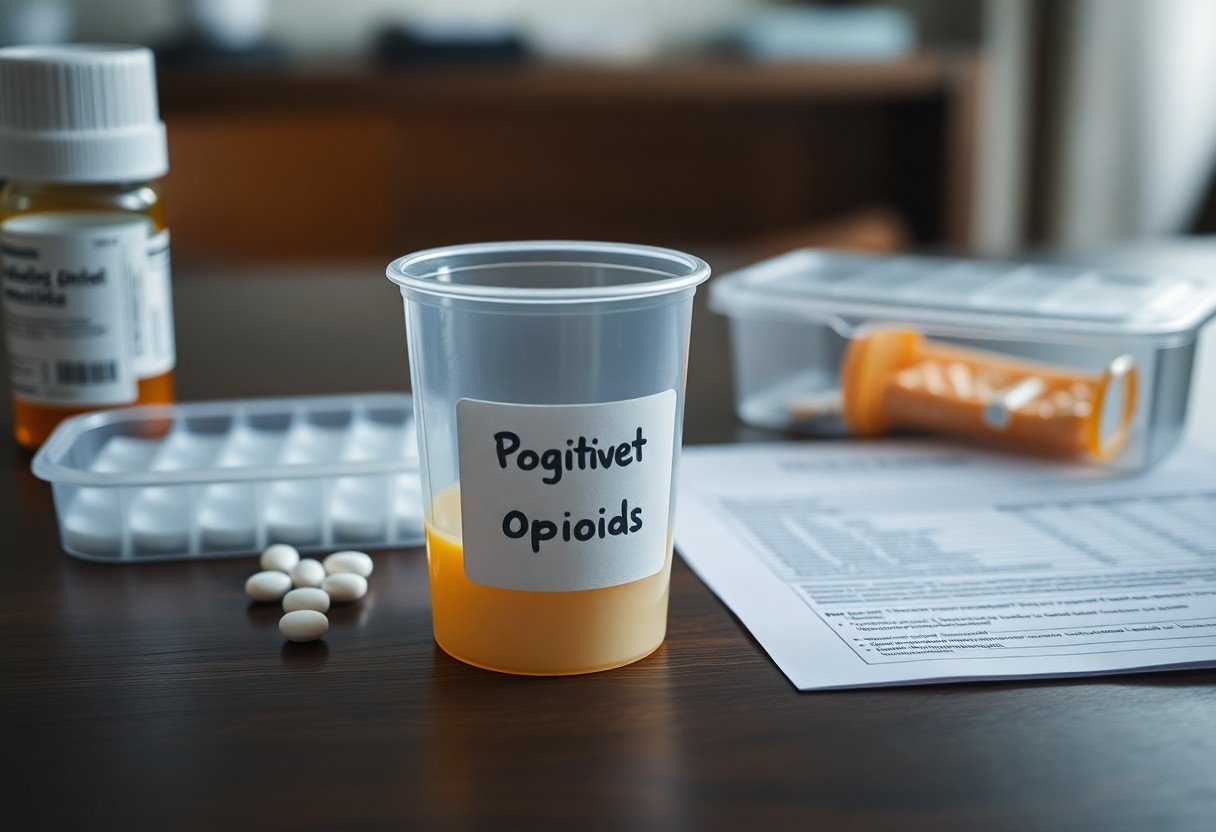
Understanding Opioid Testing
To navigate the complexities of opioid testing, it’s important to be informed about how these tests are conducted and interpreted. Various methods exist to detect the presence of opioids, each with its own advantages and limitations. Knowing these details can empower you to respond effectively if you encounter any issues related to your prescription medications.
Types of Opioid Tests
Opioid testing comes in several forms, each differing in terms of accuracy and the substances they can detect. Common types include:
- Urine tests – the most frequently used method due to ease of collection and cost-effectiveness.
- Blood tests – provide immediate results but are more invasive and expensive.
- Saliva tests – non-invasive and quick, though not as widely utilized.
- Hair tests – can detect long-term use but are less common and more expensive.
- Point-of-care tests – deliver immediate results but might lack comprehensive analysis.
After understanding these testing types, you will be better equipped to discuss your situation with your healthcare provider.
| Test Type | Comments |
| Urine Tests | Most common, affordable, non-invasive. |
| Blood Tests | More accurate, invasive, and costly. |
| Saliva Tests | Convenient, quick results, less common. |
| Hair Tests | Detects long-term use, expensive. |
| Point-of-Care Tests | Immediate results, may lack detail. |
Interpretation of Test Results
Understanding the results of opioid tests is as important as knowing the types available. Different tests will yield varying thresholds for what is considered a positive result, and factors such as the timing of the sample collection, metabolic rates, and the specific opioids involved can significantly influence outcomes.
Your test results may show a positive indication due to legitimate prescription use or potentially, misuse. Notably, legal thresholds are critical; often, higher levels signify non-compliance with prescribed dosages. Each test method will also bring its context for analyzing results. For instance, a urine test may reveal the presence of metabolites that linger long after the active drug has cleared your system. In discussing your results with a healthcare professional, aim to clarify any discrepancies or concerns to safeguard your prescription rights effectively.
Causes of Positive Opioid Tests
A variety of factors can lead to positive opioid tests, often mistaken for illicit drug use. Understanding these causes is important for developing effective defense strategies. From legitimate prescriptions to unexpected substances, many scenarios can complicate the interpretation of your test results.
Prescription Medications
Many prescription medications contain opioids, which can lead to a positive test result. Drugs such as Oxycodone, Hydrocodone, and Morphine are commonly prescribed for pain management and can remain detectable in your system for days after use.
Over-the-Counter Substances
Some over-the-counter products contain ingredients that may trigger a positive opioid test. Common examples include cough syrups and certain pain relievers that can lead to unexpected results, especially if consumed in large quantities or combined with other medications.
Over-the-counter (OTC) substances posing a risk of positive opioid tests often contain codeine or other opioid derivatives. For instance, prescription-strength cough syrups containing codeine can be purchased OTC in some regions. If you’re using cold medications or combining them with other drugs, the cumulative effect may increase your risk of testing positive. Understanding the ingredient list is important before using these products, especially if you have upcoming drug testing. Always consult a healthcare provider if you’re unsure about potential interactions or implications for drug tests.
Legal Implications of Positive Test Results
Your positive opioid test can trigger various legal implications, particularly concerning employment and professional licensing. Employers may interpret the result as a violation of company policy, which can lead to disciplinary actions or termination. Additionally, for medical professionals, state medical boards may scrutinize your license, affecting your ability to practice.
Employment Consequences
An employer often views a positive opioid test as a significant breach of workplace policy. Depending on your employer’s regulations, this could lead to disciplinary measures, including suspension or even termination. Many companies also have mandatory reporting protocols that might involve informing your potential future employers, further complicating your job prospects.
Medical Licensing Issues
The impact of a positive test on your medical license can be severe. State medical boards have strict guidelines regarding drug use, and a positive result may lead to an investigation into your professional conduct. This can result in sanctions, and in extreme cases, revocation of your medical license.
A more in-depth understanding reveals that when you face a positive opioid test as a medical professional, the outcomes can jeopardize your entire career. State medical boards may require you to undergo extensive evaluations or treatment programs. Some boards impose probationary periods where you must comply with regular drug testing to retain your license. Additionally, the stigma associated with opioid use, even if legitimate, can significantly impact your professional relationships and reputation within the medical community. Navigating these issues requires proactive engagement with board policies and potentially legal counsel to mitigate negative outcomes.
Defense Strategies Against Positive Test Results
When faced with a positive opioid test result, implementing effective defense strategies is vital to safeguard your rights and reputation. Gathering the necessary evidence and articulating your situation can make a significant difference in how your case is perceived and resolved.
Gathering Evidence of Prescription
Collecting evidence of your legal prescriptions is fundamental to your defense. This includes pharmacy receipts, pill bottles, and communication with your healthcare provider, all of which can demonstrate that your opioid usage was legitimate and medically supervised.
Medical Documentation
Your medical documentation plays a key role in establishing the legitimacy of your opioid prescription. This includes records from physician visits, treatment plans, and diagnosis reports. Such documentation can provide a clear narrative that supports your case and showcases the medical need for opioid treatment.
Incorporating comprehensive medical documentation strengthens your position significantly. This may involve submitting official documents from your prescribing physician that detail your treatment history and medical conditions necessitating opioid use. Additionally, having a formal statement from your doctor explaining the intended usage and any possible side effects could reinforce your claim. This level of detail allows you to present a robust defense that illustrates your compliance with medical guidelines, further mitigating any negative implications from a positive test result.
Working with Legal Counsel
Your choice of legal representation can significantly impact the outcome of your case. A skilled attorney experienced in handling opioid-related matters is crucial, as they understand not only the legal landscape but also the medical complexities. Seek someone who has a proven track record in similar cases and communicates effectively, ensuring you feel confident in their ability to advocate for your rights.
Choosing the Right Attorney
Selecting the right attorney involves assessing their background and expertise in opioid cases. Consider their understanding of both the legal system and the specifics of opioid prescriptions. Testimonials, case outcomes, and experience in negotiations or trials are pivotal in evaluating their capability to defend your interests.
Preparing for Legal Challenges
When preparing for potential legal challenges, focus on gathering all relevant documentation related to your prescription history. Ensure you have comprehensive records, including prescriptions, pharmacy interactions, and any medical evaluations. A detailed timeline of events surrounding your opioid use can provide your attorney with a clearer picture, empowering them to craft an effective defense.
In addition to documentation, consider compiling witness statements that may support your case, such as those from healthcare providers or family members familiar with your situation. Organizing this information allows your attorney to address legal challenges strategically, increasing the chances of a successful outcome. Adequate preparation demonstrates your commitment to the process and strengthens your position in negotiations or court proceedings, ultimately influencing the judge or jury’s perception of your case.
Steps to Prevent Future Issues
Implementing proactive measures can significantly reduce the risk of future issues related to opioid prescriptions. Establishing a clear understanding of your medication management plan, maintaining open lines of communication with your healthcare team, and regularly assessing your pain management needs are vital strategies. You should also take advantage of educational resources on appropriate opioid use to enhance your knowledge and awareness around this matter.
Communicating with Healthcare Providers
Effective communication with your healthcare providers is imperative to ensure safe opioid use. Regular discussions about your treatment plan, any side effects you’re experiencing, and changes in your condition can help your providers make informed decisions. It’s important to keep them updated on any other medications you are taking or any adverse reactions you might encounter.
Regular Monitoring and Testing
Regular monitoring and testing are fundamental in ensuring safe opioid use and preventing misuse. Your healthcare provider may suggest periodic urine drug screenings to verify compliance with the prescribed regimen and detect any non-prescribed substances. This not only protects your health but also fosters a transparent relationship with your physician.
These screenings typically occur at intervals determined by your provider, depending on your prescription history, risk factors, and treatment plan. For instance, if you are on long-term opioid therapy, quarterly screenings may be more common to promptly identify any irregularities. Many studies underscore that patients who undergo regular monitoring reduce their risk of opioid dependency while maximizing the effectiveness of pain management strategies. Regular communication about test findings can also help adjust your treatment approach, keeping your care aligned with your needs and reducing potential legal threats related to opioid prescriptions.
Conclusion
Presently, if you test positive for opioids and have a prescription, it is imperative to understand your defense strategies. You should gather all medical documentation that supports your prescription use and consult with legal professionals who specialize in drug testing cases. By effectively communicating your legitimate medical needs, you can navigate potential repercussions and protect your rights in any employment or legal discussions related to opioid testing. Maintaining accurate records will strengthen your position and help you address any challenges that may arise.
FAQ
Q: What should I do if I test positive for opioids but have a valid prescription?
A: If you test positive for opioids and possess a valid prescription, gather all relevant documentation, including your prescription and pharmacy records. Inform your employer or testing entity about the prescription prior to the test, providing copies of the documentation if necessary. This may serve as a valid defense against disciplinary action.
Q: Can I face disciplinary action even if I have a prescription for opioids?
A: Yes, potential disciplinary action may occur depending on your employer’s policies and the specific circumstances of the test. Employers can adopt stricter standards, especially in safety-sensitive positions. It is important to discuss your situation with a legal expert to explore your rights and possible defenses.
Q: What legal defenses can I use if I am tested positive for opioids without a prescription?
A: Several defenses may apply, including challenging the accuracy of the drug test, proving the opioids were ingested unknowingly, or demonstrating a medical necessity. Consulting with a legal professional experienced in drug testing laws can help identify the strongest strategy for your defense.