

Over the past few years, companies have increasingly adopted pre-employment drug screening, especially for THC. If you fail this test, you may face serious consequences, such as losing the job offer or facing challenges in future employment opportunities. Failure can also impact your reputation within your industry. Conversely, some employers may offer you a chance to retest or accept proof of rehabilitation, presenting a potential positive outcome. Understanding what happens next is imperative in navigating this pivotal moment in your career.
Understanding Pre-Employment Drug Screening
What is a Pre-Employment Drug Screen?
A pre-employment drug screen is a test performed by employers to detect the presence of illegal substances in your system before hiring. These screenings typically occur after a conditional job offer, allowing companies to ensure a safe and productive work environment. Depending on the company’s policies and the nature of the job, the tests can vary in complexity and substances tested.
Common Substances Tested
Employers commonly test for substances such as THC, cocaine, opiates, amphetamines, and PCP. These tests often utilize urine analysis, which can detect drug use within a specific timeframe, thus providing insight into your substance use history.
In most cases, you can expect standard 5-panel or 10-panel tests. The 5-panel test typically screens for THC, cocaine, opiates, amphetamines, and PCP. If a broader range of substances is evaluated, you may encounter the 10-panel test, which includes additional substances such as methadone, barbiturates, and benzodiazepines. Understanding what substances are often tested can help you better prepare for the process and avoid potential conflicts with your employment opportunities.
THC and Its Impact
Understanding THC
Tetrahydrocannabinol (THC) is the primary psychoactive compound found in cannabis. It binds to cannabinoid receptors in your brain, resulting in feelings of euphoria. Its consumption varies widely, as individuals may use it for recreational enjoyment or medicinal purposes. Understanding how THC affects your body and its potential duration in your system can be vital, especially when considering employment opportunities.
Legal and Employment Implications
Facing a failed drug screen for THC can have significant legal and employment ramifications. Many states now have legislation regarding recreational and medicinal cannabis use, but they often exclude protections for employees in safety-sensitive positions. A positive test result may not only lead to immediate job loss but could also hinder future employment opportunities, potentially blacklisting you from industries that prioritize drug-free workplaces.
In states where cannabis is legal, employers still maintain the right to enforce drug-free policies. If you fail a drug screen, you may face termination or disqualification from the hiring process. This is especially true in fields like transportation, education, or healthcare where safety is a concern. Additionally, if you have a prior drug screen failure, it can complicate your chances of being hired in the future, as employers often look to maintain safe and compliant workforces. Always be informed about your state’s laws and your employer’s policies regarding cannabis use.
What Happens If You Fail a Drug Screen?
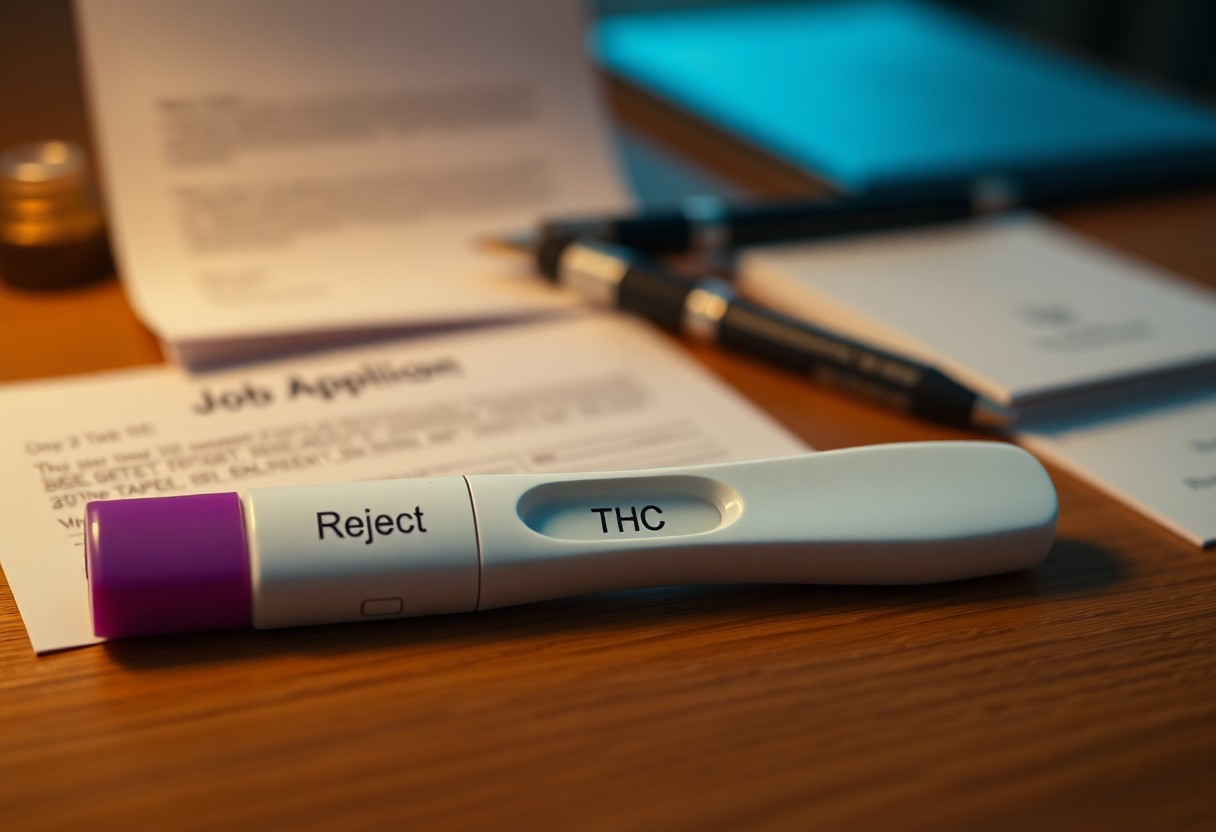
Failing a drug screen can significantly alter your job prospects. Employers often view a positive THC result as an immediate red flag, which may lead to job offer rescission. Many companies maintain strict hiring policies that disqualify candidates based on drug test results, which means your application may not progress any further.
Immediate Consequences
Your immediate consequence for failing a drug screen could be as simple as receiving a call from HR informing you that your application is terminated. Depending on the employer’s policy, they may also decide to conduct a secondary test or request you to explain the positive result, but typically, the hiring process comes to a halt.
Long-Term Effects on Employment
Failing a drug screen could have lasting repercussions on your employment prospects. Repeated failures may lead to a damaged reputation in your industry, where future employers verify past drug tests. This can result in reduced opportunities as many companies share information about candidates who have failed tests.
Job seekers often underestimate the long-term implications of a failed drug test. With over 50% of employers conducting drug screenings, having a positive result can close numerous doors. Future employers, particularly in safety-sensitive roles, may view your record as a liability, impacting not just immediate job offers but your overall career trajectory in your chosen field. This heightened scrutiny means that you may need to invest considerable time to rebuild your professional reputation, often resorting to less desirable employment options until your record improves.
Options After a Failed Test
Facing a failed pre-employment drug screen can be disheartening, but you do have options. Many employers offer a chance to reapply or retest after a specific waiting period, particularly if you demonstrate a commitment to addressing the situation. Understanding specific company policies could provide a pathway to regain your candidacy for the job.
Retesting Opportunities
Some employers allow you to retest after a certain timeframe, often ranging from a few weeks to several months. During this waiting period, it’s critical to abstain from cannabis use and consider detox methods or programs that can help clear THC from your system effectively. This opportunity may also depend on the nature of the job and the employer’s drug policy.
Mitigating Circumstances
If your failed test resulted from specific circumstances, such as a medical prescription or accidental exposure, you may have grounds to challenge the results. It’s important to document these circumstances, as they can provide context to your employer. Employers may consider this information when deciding on the next steps.
For instance, if you were using cannabis for legitimate medical reasons and have a prescription, this could work in your favor. Presenting a note from your healthcare provider that certifies your use can potentially sway the employer’s perspective. Additionally, if you were unknowingly exposed to THC (such as through secondhand smoke), you should gather evidence or witness statements to support your claim. Engaging in open dialogue with your potential employer about these mitigating factors can demonstrate transparency and responsibility on your part.
Employer Policies and State Laws
Employer policies regarding drug screening can greatly influence your job prospects after a failed THC test. Each company has its own rules, typically outlined in their employee handbooks, which may include varying consequences from immediate disqualification to opportunities for retesting. Understanding these policies is imperative as they determine how much weight a failed drug screen holds in your application process and whether they adhere to state regulations or possess more stringent standards.
Variability in Employer Policies
Different employers approach drug testing differently; some may be more lenient, allowing a chance for explanation or a second test, while others may have a strict zero-tolerance policy. For instance, tech firms might offer more flexibility, valuing your skills over a previous substance use, whereas positions in safety-sensitive industries, like transportation, may not tolerate any positive results at all.
State-Specific Regulations
State laws play a significant role in pre-employment drug screening practices. Some states have legalized cannabis for recreational or medical use, which impacts how employers can respond to positive THC tests. In states like California and Colorado, you may find protections against discrimination based solely on cannabis use, while elsewhere, employers retain broad rights to enforce drug-free workplace policies.
For instance, in Massachusetts, the law states that employers cannot discriminate against medical marijuana users, meaning a failed test may not necessarily disqualify you if you have a valid prescription. In contrast, in some states, even traces of THC could lead to immediate disqualification regardless of medical use. This patchwork of regulations emphasizes the need to familiarize yourself with both local laws and specific employer policies before applying for a job, as they can significantly affect your employment prospects. Understanding these nuances can empower you to make informed decisions about your job applications and potential appeals after a failed drug screen.
Tips for Job Seekers
As you navigate the job market, implementing effective strategies can help you maintain your opportunities, even in light of potential drug screening challenges. Consider these actionable suggestions:
- Research company policies on drug testing.
- Be honest about past usage if needed.
- Engage with support networks for advice.
- Evaluate your need for medical cannabis use.
Knowing these strategies can increase your chances of securing a desired position.
Preparing for a Drug Screen
Preparation for a drug screen is necessary if you want to avoid failing. Start by confirming the specific substances being tested by the employer, and consider whether any medications you’re taking might affect results. Staying hydrated and understanding the detection windows for THC can play an important role in your outcome. You may also explore detoxification products or natural methods that claim to assist in cleansing your system, although results can vary significantly.
Addressing Past Usage in Interviews
Addressing your previous cannabis usage during interviews can be a sensitive topic. Approach it with honesty and transparency, highlighting how you have managed your consumption responsibly. Being upfront about any therapeutic use, such as using cannabis for medical reasons, can help frame your experience positively. If questioned about your drug use, explain how it does not affect your professional abilities or work ethic.
When discussing past usage, emphasize your commitment to maintaining professionalism and your understanding of the workplace environment. Clearly state measures you’ve taken to ensure responsible use, such as following laws and regulations in your state regarding cannabis. Highlighting your ability to prioritize work responsibilities above personal choices can further reassure potential employers of your reliability and maturity, making you a stronger candidate despite past THC use.
To wrap up
Conclusively, failing a pre-employment drug screen for THC can significantly affect your job prospects and lead to disqualification from employment opportunities. Many employers consider a failed test a red flag, which may result in the removal of your application from consideration. Additionally, some companies may maintain a record of the failure, complicating future job applications. It’s vital to understand the policies of potential employers and consider the implications of THC use if you are seeking employment. Taking proactive steps can help you mitigate these risks.
FAQ
Q: What are the immediate consequences of failing a pre-employment drug screen for THC?
A: Failing a pre-employment drug screen for THC typically leads to the withdrawal of a job offer. Employers often have strict policies regarding drug use, and a positive result may be seen as a disqualification for employment.
Q: Can I contest a positive THC test result?
A: Yes, you may have the option to contest the result, especially if you believe that it is inaccurate. You can request a retest or provide documentation of any legal THC use, such as a medical marijuana prescription, though outcomes may vary based on employer policies.
Q: How long will a failed drug test affect my job search?
A: The impact of a failed drug test on your job search can vary. Some employers may permanently disqualify candidates after a failed test, while others may have a waiting period before reapplying. It’s important to check the specific policies of potential employers.