

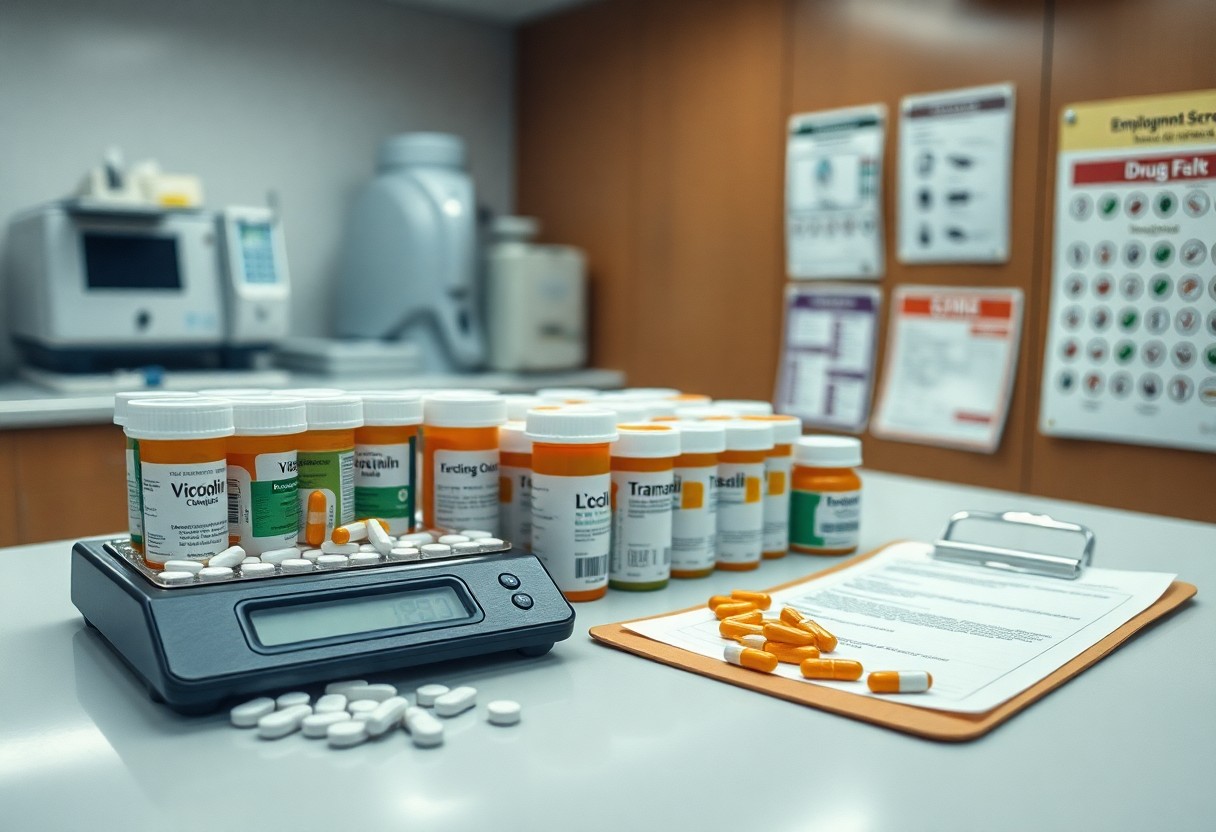
You may not realize that your employment screening process can effectively detect the presence of controlled substances such as Vicodin and Tramadol. These medications, often misused for their pain-relieving properties, can lead to significant health risks and workplace safety issues. Understanding how these pills are identified in drug tests is vital for you to maintain a safe and responsible work environment. By being informed, you can take proactive steps to ensure your compliance and safeguard your career.
Understanding Employment Screens
Employment screens are a fundamental component of the hiring process, serving to evaluate candidates by examining their backgrounds, qualifications, and potential risks. These assessments help employers ensure they are making informed decisions while creating a safe and productive work environment. Various screening methods can provide insights into a candidate’s behavior, reliability, and overall fit within your organization.
Purpose of Employment Screens
The primary goal of employment screens is to verify the information provided by candidates and uncover any discrepancies or potential red flags. By conducting thorough background checks, you protect your organization from potential liability and ensure compliance with industry standards. This process not only contributes to a safer work environment but also promotes a culture of transparency and accountability.
Common Types of Employment Screens
Employers typically utilize several types of employment screens to assess candidates comprehensively. Background checks evaluate criminal history, while drug screenings identify substance use. Credit checks may be conducted for financial roles, and educational verification confirms credentials. Additionally, reference checks provide insights from previous employers to evaluate professional behavior and skills. Knowing the various types helps you understand what to expect during the hiring process.
| Screen Type | Description |
| Background Check | Evaluates criminal history and employment records. |
| Drug Screening | Tests for illegal substances and prescription abuse. |
| Credit Check | Analyzes financial history for roles involving money management. |
| Educational Verification | Confirms degrees and certifications claimed by candidates. |
| Reference Checks | Obtains feedback from previous employers regarding candidates. |
Understanding the common types of employment screens can significantly impact your hiring decisions. Each type offers valuable insights that can reveal potential risks and candidate reliability. For example, a background check may disclose criminal activity that could pose a risk to your workplace, while a drug screen can ensure candidates are not abusing substances. Educational verifications help confirm that a candidate has the qualifications they claim, preventing potential fraud. Knowing these types equips you to make better hiring decisions and mitigate risks effectively.
| Screen Type | Purpose |
| Background Check | Reveal hidden risks in candidates’ histories. |
| Drug Screening | Ensure a drug-free workplace environment. |
| Credit Check | Assess financial responsibility for specific roles. |
| Educational Verification | Confirm the authenticity of candidate claims. |
| Reference Checks | Gather insights from former employers. |
Common Prescription Medications in the Workplace
In many workplaces, employees may take prescription medications to manage pain or anxiety, but some of these drugs can impair judgment and performance. Medications such as Vicodin and Tramadol, while effective for pain relief, can lead to issues if misused. Understanding the prevalence of these drugs and their effects is important for maintaining a safe and productive environment.
Overview of Vicodin and Tramadol
Vicodin, a combination of hydrocodone and acetaminophen, is commonly prescribed for pain relief. Tramadol, an opioid analgesic, also serves this purpose, but with a different mechanism of action. Both medications can cause sedation and impair cognitive function, making it vital for employers to be aware of their presence in the workplace.
Impact of Prescription Abuse on Employment
The misuse of prescription medications like Vicodin and Tramadol can significantly disrupt workplace dynamics. Employees struggling with addiction may experience increased absenteeism, decreased productivity, and higher rates of workplace accidents. This impact can lead to a strain on team morale, as well as increased healthcare costs for employers to manage.
The ramifications of prescription abuse extend beyond individual performance; studies show that workplaces with a high incidence of substance misuse report a 34% increase in workplace injuries. Furthermore, employees may suffer from cognitive deficits, leading to poor decision-making and a lack of attention to detail. This not only jeopardizes safety but can also erode the trust and efficiency important for successful teamwork, causing long-term damage to organizational culture and performance.
Detection Methods for Substance Abuse
Effective detection methods are vital for identifying substance abuse among employees. Various techniques can highlight the use of medications like Vicodin or Tramadol, ensuring workplace safety and productivity. These methods range from traditional approaches to cutting-edge technologies that enhance accuracy and reliability.
Urinalysis Techniques
Urinalysis is a standard method used for detecting substances in the body, including prescription medications. This technique can identify metabolites of drugs, providing clear evidence of use. Typically, a cutoff level is established, ensuring only significant findings indicate a positive result.
Advanced Screening Technology
Your organization can benefit from advanced screening technologies that offer enhanced sensitivity and specificity in drug detection. Methods such as mass spectrometry and liquid chromatography can precisely identify specific substances, even in trace amounts. This technology aids in differentiating between legitimate medication use and potential abuse.
- Mass spectrometry improves detection accuracy.
- Liquid chromatography separates compounds for clearer results.
- Portable devices facilitate on-site testing.
- Real-time results enable quicker decision-making.
| Technology | Description |
| Mass Spectrometry | Identifies substances based on their mass-to-charge ratio. |
| Liquid Chromatography | Segments chemical mixtures for detailed analysis. |
| Immunoassays | Uses antibodies to detect specific drugs or metabolites. |
Advanced screening technology is transforming how workplaces monitor substance abuse. Techniques like mass spectrometry provide unprecedented accuracy, drastically reducing false positives and negatives. The advent of portable testing devices allows for immediate results, fostering a proactive approach to maintaining a safe work environment.
- Enhanced precision in drug detection.
- Reduction of testing time and cost.
- Comprehensive analysis of multiple substances simultaneously.
- Ability to detect new synthetic drugs.
| Benefit | Details |
| Increased Accuracy | Minimizes errors in identifying drug use. |
| Efficiency | Rapid processing times lead to quicker results. |
| Broad Range | Identifies various substances beyond traditional tests. |
Legal and Ethical Considerations
Addressing employment screens requires navigating a landscape filled with legal and ethical imperatives. Employers must balance the need for a safe work environment with adherence to laws governing drug testing, such as the Americans with Disabilities Act (ADA) and the Fair Employment and Housing Act (FEHA). You also need to consider the implications of transparency and consent when implementing drug screenings to ensure compliance and protect employee trust.
Employee Rights and Privacy
You have the right to privacy regarding your personal health and medication use. Employers must obtain consent before conducting drug screenings and should educate employees about how results will be utilized. Safeguarding your information is not just a best practice; it aligns with legal mandates that protect your private medical records from unauthorized disclosure.
Regulatory Compliance for Employers
Employers face a complex array of regulations when implementing drug screening policies. Compliance with federal and state laws is vital to avoid potential litigation. Testing must be conducted in a manner that respects both employee rights and the legal framework governing drug use monitoring. Certain industries may require more stringent regulations to ensure safety, such as transportation or healthcare, necessitating comprehensive understanding and adherence to applicable state laws.
Failing to comply with regulatory requirements can lead to significant penalties and damaging lawsuits. For instance, the Department of Transportation (DOT) has specific requirements for drug testing in transportation-related positions, with zero tolerance for violations. You must ensure your policies align with these standards, conducting tests by certified laboratories and maintaining confidentiality. Employers should also provide training for HR staff to navigate this regulatory landscape effectively, minimizing the risk of non-compliance and safeguarding both employee rights and company integrity.
Best Practices for Employers
Implementing effective employment screens requires a strategic approach to ensure safety and compliance. Begin by clearly defining the purpose of your drug screening process, along with the substances you choose to test for, such as Vicodin and Tramadol. Regularly evaluate your policies to adapt to changes in laws and workplace safety standards, ensuring transparency and fairness throughout.
Developing a Screening Policy
Crafting a comprehensive screening policy is vital. Include guidelines on which substances will be tested, procedures during testing, and how results will be communicated. This policy should promote a culture of safety while protecting employee privacy and conforming to legal regulations.
Training for HR Personnel
Your HR personnel must undergo thorough training to manage the drug screening process effectively. This includes understanding the legal implications, recognizing signs of substance abuse, and ensuring confidentiality. Providing this training not only equips them with the necessary skills but also fosters a supportive environment for employees.
Training for HR personnel should encompass legal aspects of drug testing, including state and federal regulations, to mitigate risks of litigation. Incorporate real-life scenarios and role-playing exercises to enhance their ability to identify and address potential issues. Offering ongoing education and resources keeps your staff informed on emerging trends and best practices, reinforcing their capability to handle sensitive situations professionally.
Case Studies
Analyzing real-world examples provides significant insights into the effectiveness of employment screenings for detecting substances like Vicodin and Tramadol. Various organizations have implemented rigorous testing protocols, resulting in measurable outcomes.
- Company A: 30% reduction in substance-related incidents after implementing a mandatory screening policy.
- Company B: 15% increase in employee productivity linked to improved safety measures post-screening.
- Company C: 25% drop in absenteeism rates attributed to proactive substance misuse interventions.
- Company D: 40% of pre-employment candidates tested positive for prescription drugs, prompting a review of screening processes.
Success Stories in Workplace Drug Policy
Several organizations have reported remarkable success after enforcing robust workplace drug policies. For instance, a manufacturing company observed a 50% decrease in workplace accidents within a year of implementing stringent drug screenings, showcasing the link between vigilant monitoring and enhanced employee safety.
Lessons Learned from Mismanagement
Misinformation or lack of proper screening can lead to significant issues, including addiction and safety hazards. Companies that failed to enforce drug policies have experienced increased liabilities and decreased morale among employees aware of the risks posed by untreated substance misuse.
For instance, when a logistics firm overlooked the necessity of comprehensive drug screenings, over 20% of employees reported substance abuse issues in anonymous surveys. This mismanagement led to multiple accidents and a costly legal battle, emphasizing the importance of consistent monitoring and employee support systems. You need to understand that lack of accountability can create an environment where substance misuse flourishes, ultimately harming both productivity and safety.
Conclusion
To wrap up, understanding employment screens and their ability to detect pills like Vicodin or Tramadol is necessary for maintaining workplace safety and compliance. By familiarizing yourself with these screenings, you can better prepare for potential drug tests and their implications on your employment status. Being proactive in educating yourself about the substances that may affect your job performance will empower you to make informed decisions, ensuring both your well-being and that of your colleagues.
FAQ
Q: What types of employment screenings can detect medications like Vicodin and Tramadol?
A: Employment screenings that can detect medications such as Vicodin and Tramadol typically include urine tests, blood tests, and hair follicle tests. Urine tests are the most common due to their cost-effectiveness and ability to detect a range of substances, including opioids. Blood tests offer a more precise detection window, while hair follicle tests can provide a longer history of drug use, potentially identifying usage over several months.
Q: Are there specific panels that need to be included in drug tests to identify these medications?
A: Yes, drug tests must include specific opioid panels to accurately identify medications like Vicodin and Tramadol. Standard 5-panel tests may not include these medications, so employers often opt for expanded panels, such as 10-panel or 12-panel tests, which provide a broader range of substance detection, including prescription opioids.
Q: What should an employee do if they are prescribed medication that shows up on a drug test?
A: Employees prescribed medications that may show up on a drug test should inform their employer or the testing administrator before testing. Providing documentation from a healthcare provider can help clarify the legitimate use of the medication and prevent disciplinary action related to the test results.