

Over time, addiction can escalate into a severe issue that affects every aspect of your life. By recognizing the symptoms and taking action early, you can prevent addiction from worsening. Early intervention offers the chance to address underlying issues before they spiral out of control, allowing for a more positive outcome and a healthier future. Engaging with support systems and treatment options at the right moment not only halts the progression of dependency but also fosters resilience, enabling you to reclaim your life.
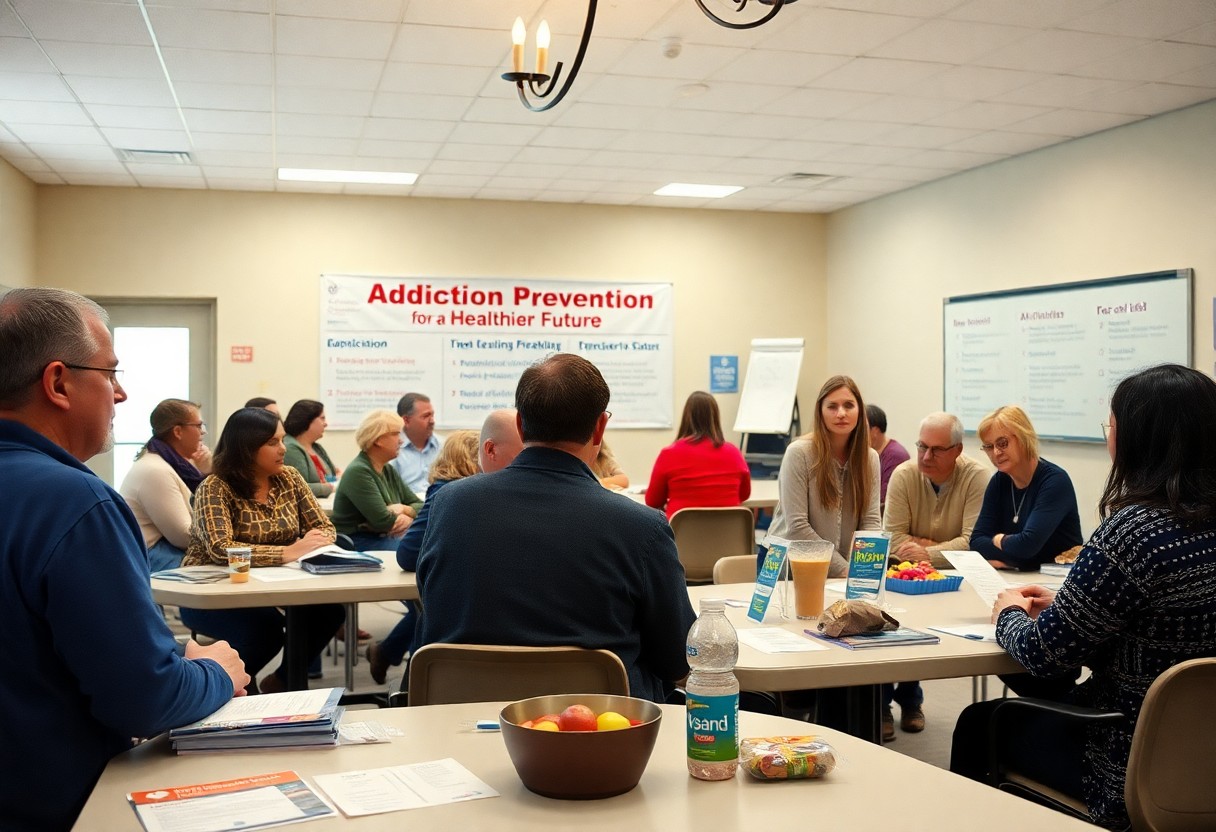
Key Takeaways:
- Early identification of at-risk individuals can lead to timely intervention, reducing the likelihood of addiction development.
- Implementing support systems, such as counseling and education, promotes healthier coping mechanisms and decision-making.
- Community involvement and awareness programs enhance prevention efforts and foster a supportive environment for those in need.
Understanding Addiction
Addiction is a complex condition characterized by compulsive substance use or behaviors despite harmful consequences. It affects the brain’s reward system, creating intense cravings and often leading individuals to prioritize obtaining their substance of choice over personal responsibilities and relationships. Understanding the nuances of addiction is vital to developing effective prevention and intervention strategies.
Defining Addiction
Addiction can be defined as a chronic, relapsing brain disorder that involves an individual’s inability to control their intake of a substance or behavior, resulting in significant negative impacts on their life. It alters brain function and structure, which can complicate your capacity to make decisions and react to your environment.
The Stages of Addiction
Understanding the stages of addiction is vital for intervention efforts. They typically progress from experimentation, where you may first try a substance out of curiosity, then to regular use, where it becomes a more frequent choice. As dependency develops, you experience increasing cravings and withdrawal symptoms, leading to a behavioral pattern that prioritizes the substance over other aspects of your life.
The stages of addiction provide insight into how substance use evolves over time. Initially, you might engage in healthy experimentation, perhaps in social settings. This can transition into regular use, where you begin to integrate the substance into your daily routine. Eventually, you may enter the stage of risky use, where the negative consequences become evident but are often ignored. The final stages, dependence and addiction, involve physical and psychological reliance on the substance, leading to a significant decline in your quality of life. Understanding these stages helps identify when intervention is most needed.
The Importance of Early Intervention
Recognizing the significance of early intervention can greatly alter the trajectory of someone’s life. When you act quickly to address substance use or behavioral issues, you can prevent the development of full-blown addiction. Studies show that engaging individuals with support and resources within the early stages of risk significantly decreases their chances of escalating into deeper dependency. This proactive approach fosters healthier choices and promotes overall well-being, making it vital for encouraging positive life changes.
Identifying Early Signs of Addiction
Your ability to identify early signs of addiction is vital. Look for subtle changes in behavior, such as increasing secrecy, mood swings, or withdrawal from social activities. Physical symptoms like abrupt weight changes, deteriorating hygiene, or health issues may also signal that someone is struggling. By being vigilant about these signs, you can intervene before habits become entrenched.
The Benefits of Timely Action
Taking timely action when recognizing early signs of addiction offers numerous benefits. It not only helps mitigate the progression of substance use but also fosters healthier coping mechanisms and support systems. Early intervention can lead to higher success rates in treatment, as individuals are more receptive to help before their addiction spirals out of control.
Engaging swiftly can lead to recovery rates of up to 60% for individuals who receive early intervention compared to those who seek help later. By acting promptly, you can minimize the risk of serious health complications and the social consequences of addiction, such as strained relationships and lost employment opportunities. These timely measures can guide individuals toward making informed choices and accessing resources that promote lasting change and resilience.
Strategies for Early Intervention
Implementing effective strategies for early intervention involves a multifaceted approach that emphasizes prevention and education. Recognizing warning signs early, such as changes in behavior or social circles, can be instrumental. Engaging with schools, community organizations, and health professionals ensures a coordinated response, offering necessary resources to at-risk individuals.
Education and Awareness
Improving education and awareness about the risks of substance abuse is fundamental. You should participate in programs that teach the signs of addiction, how to approach difficult conversations, and the importance of providing support. Awareness campaigns can empower communities to understand addiction as a public health issue and not a personal failing.
Support Systems and Resources
Building strong support systems and resources is crucial for effective early intervention. You can access counseling services, community support groups, and educational workshops that together create a network for prevention. This ensures that you’re not alone in navigating the complexities of addiction; instead, you become part of a community dedicated to recovery.
Support systems can include local organizations, hotlines, and online platforms that connect individuals to resources tailored to their specific needs. For example, seeking help through personalized counseling or group therapy can provide the necessary outlet for expressing concerns and receiving guidance. Engaging with local communities that host support meetings fosters a sense of belonging while addressing underlying issues collaboratively. The combination of shared experiences and expert advice creates a robust foundation that empowers you to overcome obstacles before they escalate into addiction.
Role of Family and Friends
Your loved ones play an imperative role in early intervention against addiction. Their support and involvement can significantly influence recovery, often acting as motivators and stability sources. By recognizing signs of addiction early, family and friends can encourage discussions about seeking help, creating a pathway for change before the situation escalates. By standing together, they reinforce a message of love and concern, which is vital for someone struggling with substance use.
Creating a Supportive Environment
A supportive environment fosters open communication and unconditional love, making it easier for those struggling with addiction to seek help. By providing a safe space free of judgment, your family and friends can encourage healthier choices and lifestyle changes. This support is critical, as research shows that people are more likely to pursue treatment when they feel loved and accepted, rather than shamed or pressured.
Communication Techniques
Effective communication techniques can facilitate healthy discussions about addiction. Use “I” statements to express concern without sounding accusatory, e.g., “I feel worried when I see you using.” Active listening is imperative; it demonstrates that you genuinely care about their thoughts and feelings. Establishing a non-confrontational atmosphere can yield better outcomes, as individuals are more receptive to feedback and suggestions for seeking help.
Incorporate active listening by paraphrasing what they say to show understanding. Be mindful of your body language; maintain eye contact and an open posture to signal your support. Scheduling regular check-ins allows you to engage in conversations consistently, helping to normalize discussions about feelings and wellbeing. Use empathetic responses, validating their emotions while guiding them towards seeking professional help or resources. Such techniques not only strengthen your bond but also empower them to make positive changes.
Professional Help and Treatment Options
Seeking professional help is crucial in addressing addiction effectively. Treatment options range from individualized therapy to comprehensive rehabilitation programs, tailoring methods to your specific needs. Engaging with qualified specialists can provide you with the tools necessary for recovery, allowing for a path that emphasizes sustainable change and personal growth.
Therapy and Counseling
Personalized therapy and counseling sessions are fundamental in the recovery process. These sessions not only help you explore the underlying causes of addiction but also empower you to develop coping strategies. Techniques such as Cognitive Behavioral Therapy (CBT) have demonstrated high efficacy rates, reducing relapse occurrences and fostering healthy thought patterns.
Support Groups and Rehabilitation
Participating in support groups and rehabilitation programs can significantly enhance your recovery journey. These platforms provide community support and shared experiences, fostering an environment where you can openly discuss challenges and victories. Engaging with peers who understand your struggles can be incredibly beneficial, reinforcing hope and motivation.
Support groups often play a vital role in healing by promoting accountability and continuous encouragement. Programs like Alcoholics Anonymous or Narcotics Anonymous facilitate regular meetings where members share their journeys, challenges, and success stories, creating a strong network of support. Furthermore, many rehabilitation facilities offer holistic approaches, incorporating activities such as yoga and mindfulness to complement traditional addiction treatment. Together, these elements help build a cohesive recovery plan that addresses not only the addiction itself but also the social and emotional factors that contribute to it.
Policy and Community Initiatives
Effective public policies and community initiatives serve as a foundation in combating addiction. By implementing comprehensive approaches that prioritize education, resources, and accessibility, your community can create a supportive environment that facilitates early intervention. Initiatives such as awareness campaigns and partnerships with local organizations can mobilize resources and provide the necessary outreach to at-risk individuals.
Prevention Programs
Prevention programs are vital in staving off addiction before it takes root. These programs often focus on education, equipping your community with knowledge about the dangers of substance use. Targeted initiatives, such as school-based interventions and family workshops, can empower youth and families to make informed choices, actively reducing the likelihood of future substance abuse.
Advocacy for Change
Advocacy for change is vital for enhancing policies related to addiction prevention and treatment. Engaging community leaders and policymakers can lead to improved funding and support for addiction services. When you participate in advocacy efforts, your voice can help highlight the need for evidence-based programs that effectively address the root causes of addiction.
Advocacy requires sustained efforts to highlight gaps in current policies and to push for evidence-based approaches in addiction treatment. Your involvement can range from local community meetings to larger campaigns aimed at influencing statewide legislation. For example, initiatives that successfully advocate for increased mental health services have been shown to reduce substance abuse rates by as much as 25%. By uniting with others who share your vision for a healthier community, you can champion reforms that support those at risk, ultimately paving the way for comprehensive addiction prevention measures.
Conclusion
With this in mind, early intervention serves as a vital element in preventing addiction from escalating in your life. By recognizing the signs and seeking help proactively, you can create a supportive environment that fosters recovery. Engaging with professionals and utilizing available resources not only enhances your chances of overcoming challenges but also empowers you to reclaim control over your life. Taking that first step is important; your future wellbeing depends on it.
FAQ
Q: What is early intervention in the context of addiction?
A: Early intervention refers to identifying and addressing potential substance abuse issues before they escalate into full-blown addiction. This can include assessing risk factors, engaging in prevention programs, and providing support to individuals who may be struggling with substance use.
Q: How can early intervention benefit individuals at risk of addiction?
A: Engaging in early intervention can lead to reduced substance use, improved mental health outcomes, and a greater likelihood of recovery. It provides individuals with tools and resources to manage their challenges, fostering healthier coping mechanisms and support networks.
Q: What signs should one look for to initiate early intervention?
A: Signs may include changes in behavior, withdrawal from social activities, declining performance in work or school, neglecting responsibilities, increased secrecy, or exhibiting mood swings. Recognizing these signs early can encourage timely support and assistance.