

With increasing awareness of mental health, many individuals are turning to anxiety medications for relief. You may wonder whether these prescriptions will show up in workplace drug screenings. Understanding how standard panels operate is vital, as some anxiety medications may be detected depending on the test’s design and the substances you are taking. While most basic screenings focus on illicit drugs, certain medications can yield positive results, potentially impacting your employment
.
Understanding Workplace Drug Screens
Workplace drug screens play a vital role in ensuring a safe and productive environment. These tests not only help employers assess the legality of their employees’ behaviors but also protect the integrity of the organization. By recognizing the various factors involved, you can better understand how these screenings may impact those using prescribed medications.
Types of Drug Tests
- Urine Tests: Commonly used due to accuracy and cost-effectiveness.
- Saliva Tests: Less invasive, providing quick results.
- Hair Tests: Detects drug use over an extended period.
- Blood Tests: More accurate but invasive and expensive.
- Breathalyzers: Primarily used for alcohol detection.
Thou should be aware that the type of test employed can significantly affect the detection of substances.
| Test Type | Detection Window |
|---|---|
| Urine Test | 1-30 days |
| Saliva Test | 1-72 hours |
| Hair Test | 90 days |
| Blood Test | 1-7 days |
| Breathalyzer | Minutes to hours |
Common Substances Tested
Various substances are commonly screened in workplace drug tests, primarily focusing on illegal drugs and certain medications that may impair performance. You may encounter tests for marijuana, cocaine, opiates, amphetamines, and barbiturates.
Understanding the common substances tested can alleviate concerns surrounding workplace screenings. Marijuana and cocaine are frequently detected due to their prevalence, while opiates might include prescription medications that overlap with illicit use. Testing for amphetamines is important in judging performance-enhancing drugs, while barbiturates can indicate potential for abuse with anxiety medications. Awareness of these substances and their implications can be vital for maintaining your employment security. Thou must be informed about both the substances being screened and the impact of prescribed medications on your results.
Anxiety Medications Overview
Anxiety medications play a significant role in managing symptoms associated with various anxiety disorders. These medications can help alleviate feelings of excessive worry, fear, or anxiety, allowing you to function more effectively in daily life. It is important to understand the types of medications available, their classifications, and how they may affect you if required by a workplace drug screening.
Classification of Anxiety Meds
Anxiety medications are generally classified into different categories based on their mechanisms of action. The most common categories include benzodiazepines, antidepressants, and beta-blockers. Each type serves a unique purpose, with some providing immediate relief while others work over time to alter chemical imbalances in the brain.
Commonly Prescribed Medications
Among the commonly prescribed anxiety medications, you will find diazepam, sertraline, and propranolol. Benzodiazepines like diazepam offer rapid anxiety relief but carry a risk of dependence. Antidepressants such as sertraline are typically favored for their long-term effectiveness and lower risk of addiction, making them a popular choice for ongoing management. Beta-blockers like propranolol may be prescribed to control physical symptoms of anxiety, especially in performance situations.
Diazepam, part of the benzodiazepine family, works quickly to calm anxiety but can lead to tolerance or dependence if used long-term. Sertraline, an SSRI, is often preferred for generalized anxiety disorder due to its efficacy over several weeks and minimal abuse potential. Propranolol, although primarily a blood pressure medication, is frequently utilized to manage situational anxiety, helping to alleviate physiological symptoms such as rapid heartbeat during stressful situations. Understanding these medications and how they interact with workplace drug screens is crucial for safe and responsible use.
Detection of Anxiety Meds in Drug Screens
Pertaining to drug screenings, many people are concerned about whether their anxiety medications will show up. Standard panels typically focus on a limited range of substances, and many common anxiety medications, like SSRIs or benzodiazepines, may be detected depending on the specific test used. However, typical workplace drug screens often do not include testing for all categories of medications, which can mean that your prescribed anxiety meds might not be flagged at all.
How Anxiety Medications Appear in Tests
Depending on the type of drug test, anxiety medications can appear in various ways. Urine tests, the most common form of workplace testing, can detect benzodiazepines and possibly other anxiety meds for several days to weeks after use. Blood and saliva tests may have different detection windows, generally showing recent use only. Always check the specifics of your testing protocol for clarity on what is being screened.
False Positives and Test Limitations
False positives can complicate the detection of anxiety medications in drug screenings. Certain foods, medications, or even the way tests are conducted can yield inaccurate results, leading to unnecessary complications in your workplace environment.
For instance, consuming products like poppy seeds can trigger false positives for opiates, while some over-the-counter medications and supplements can interfere with the detection of anxiety prescriptions. Understanding the limitations of tests is equally imperative; not every screening includes comprehensive panels, so it’s possible your anxiety med may not appear at all even if present in your system. Always consider discussing your medication with your employer or HR to clarify potential impacts on your drug test outcomes, ensuring you are informed and protected.
Legal and Employment Considerations
Your workplace rights regarding drug testing and the use of anxiety medications are shaped by various laws and regulations that aim to protect both your well-being and employer interests. Employers are generally required to comply with federal and state laws that govern drug testing, including providing clear policies about what substances are tested for and the potential consequences of a positive result. Understanding these regulations can help you navigate the complexities of employment while managing your mental health treatment.
Employer Rights and Regulations
Employers retain the right to enact drug testing policies as part of their efforts to maintain a safe and efficient workplace. This can include testing for certain medications, particularly if they impair performance or pose safety risks. However, regulations vary by state, and some jurisdictions may have restrictions on how and when testing can be conducted, which means you should familiarize yourself with both federal and local laws surrounding drug testing practices.
Protecting Employee Privacy
Your privacy as an employee is a significant concern in drug testing situations. Legislation such as the Health Insurance Portability and Accountability Act (HIPAA) and the Americans with Disabilities Act (ADA) protects certain medical information from disclosure, including details about your prescription medications. Employers are typically obligated to ensure any drug test results are kept confidential and only shared with authorized personnel.
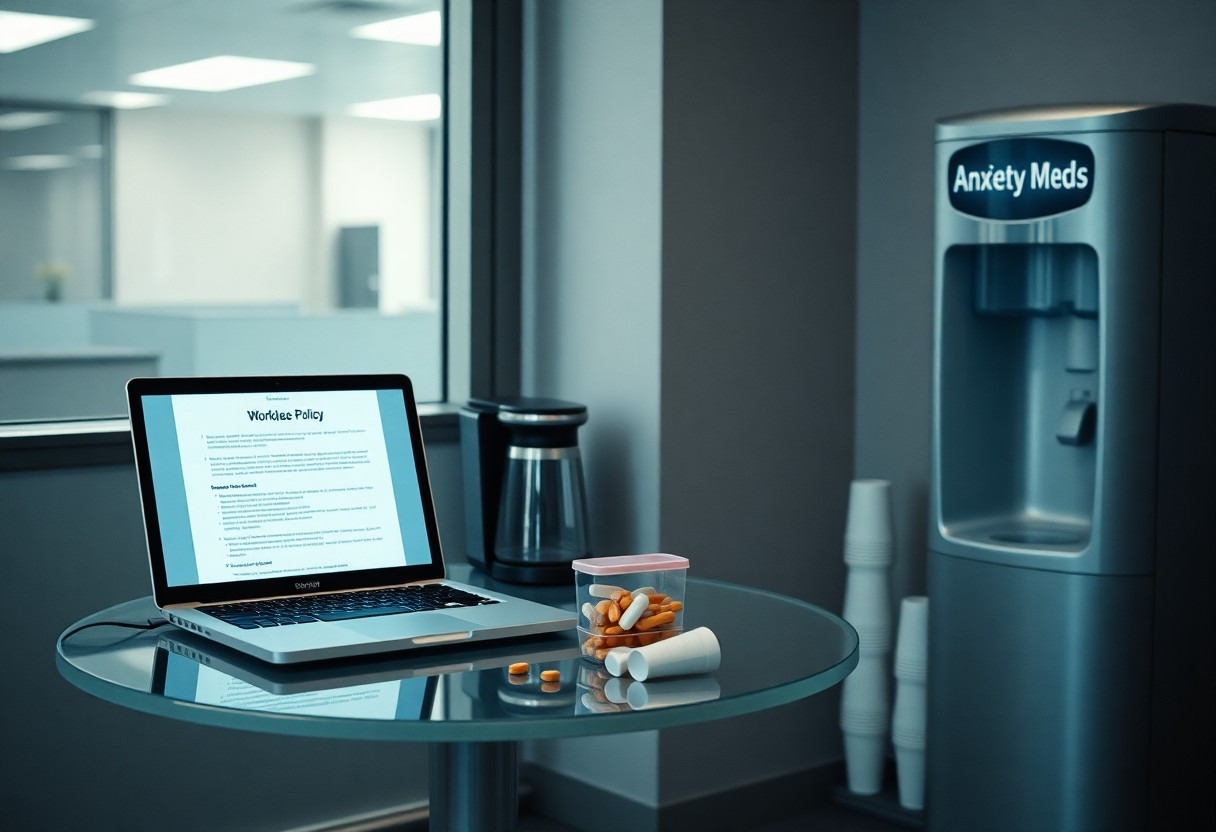
Additionally, while employers may request drug testing, they cannot examine into your medical history without proper justification. You have the right to request that your test results remain confidential and are only used for employment-related decisions. If you’re prescribed anxiety medication, make it a point to communicate with your HR department about your rights-this could help establish a boundary protecting your medical information from unnecessary exposure in the workplace.
Disclosure and Transparency with Employers
Being transparent about your mental health and medication can significantly impact your work environment. Sharing information regarding your anxiety medication with your employer may foster an atmosphere of understanding and support, but it’s vital to weigh your comfort level and the potential implications on your career.
When to Inform Your Employer
Timing is key when revealing your use of anxiety medications. You should consider discussing this when you feel that your medication may affect your work performance or if you anticipate a need for accommodations under the Americans with Disabilities Act (ADA). Initiating the conversation during performance reviews or when addressing workplace challenges may also be strategic.
Benefits of Disclosure
Disclosing your use of anxiety medication can lead to a more supportive work environment. When your employer understands your situation, they may be more willing to offer flexible work arrangements, provide necessary resources, or help reduce stressors that might exacerbate your condition.
Additionally, disclosure can demystify mental health in the workplace, encouraging a culture of openness. This could lead to more employees feeling empowered to discuss their mental health struggles, ultimately resulting in reduced stigma. Companies that prioritize transparency often see increased employee morale and productivity. By being open about your medication, you not only advocate for yourself but also contribute to a healthier workplace dynamic, positively impacting overall team performance.
Addressing Concerns about Anxiety Meds and Employment
Understanding how anxiety medications may affect your job security is imperative for managing your mental health in the workplace. Employers are increasingly recognizing the importance of mental well-being, yet you might worry about job repercussions stemming from medication use. It’s important to note that while some employers might conduct drug screenings, the focus tends to be more on illegal substances than on prescribed anxiety medications. Being informed about your rights and having open conversations with your employer can ease your apprehensions.
Coping Strategies for Anxiety at Work
Implementing effective coping strategies can help you manage anxiety while maintaining productivity. Techniques such as practicing mindfulness, deep breathing exercises, and structured breaks can help you navigate stressful work situations. Additionally, developing a supportive network of colleagues can create a more understanding work environment that addresses your mental health needs.
Support Resources Available
Numerous resources are accessible for individuals managing anxiety in the workplace. Employee assistance programs (EAPs) often provide counseling services and mental health resources tailored to your needs. Community mental health organizations and online platforms also offer valuable support, including therapy, workshops, and peer groups.
The availability of support resources is a significant advantage for those dealing with anxiety. Many EAPs provide up to six free counseling sessions, allowing you to seek professional help without financial burden. Online platforms like BetterHelp connect you to licensed therapists, while organizations such as the Anxiety and Depression Association of America offer tools and strategies for managing anxiety. These resources play a vital role in helping you cultivate resilience at work and can contribute positively to your overall well-being.
Summing up
With this in mind, it’s vital to understand that standard workplace drug screenings typically focus on illicit substances rather than prescription medications like anxiety medications. Your medication may not show up in these tests, but it’s still advisable to communicate with your employer if you’re using such medications. This transparency can help manage potential concerns and ensure your workplace is supportive of your health needs while maintaining compliance with company policies.
FAQ
Q: Do standard workplace drug tests screen for anxiety medications?
A: Most standard workplace drug tests, including urine tests, primarily check for illicit drugs such as THC, cocaine, opiates, and amphetamines. However, some tests may include barbiturates and benzodiazepines, which are commonly prescribed for anxiety. It’s important to verify which substances are included in your specific workplace’s drug screening policy.
Q: Can taking anxiety medication lead to positive drug test results?
A: Yes, certain anxiety medications, especially benzodiazepines (such as Xanax, Ativan, and Valium), can result in positive drug test results. These substances are classified as controlled medications and may show up in tests designed to detect their presence. If you are prescribed anxiety medication, it is advisable to disclose this to your employer or testing administrator to avoid potential misunderstandings.
Q: What should I do if my anxiety medication shows up in a drug test?
A: If your anxiety medication is detected during a drug test and you’ve provided the drug test administrator with a valid prescription, you should present your prescription documentation. This typically includes the doctor’s note along with the pharmacy label showing your name, dosage, and medication. Employers are typically required to consider this information when evaluating the results of the test.