

Just because Alcoholics Anonymous is a popular choice, it doesn’t mean it’s the only path to sobriety. In fact, there are science-backed alternatives that may resonate more with your individual needs. From innovative therapeutic techniques to holistic approaches, you can find methods that promote lasting change without the traditional AA framework. Understanding these options empowers you to take control of your recovery journey, ensuring you have the tools necessary for a successful, sustainable sober lifestyle.
Understanding Alcohol Use Disorder
Definition and Symptoms
Alcohol Use Disorder (AUD) is a complex condition marked by an inability to control your drinking despite negative consequences. Symptoms may include cravings, withdrawal symptoms when not drinking, and a growing tolerance requiring increased amounts to achieve the same effects. You might notice that alcohol consumption is affecting your responsibilities or relationships, showcasing a clear need for intervention.
The Impact of Alcohol on Mental Health
Alcohol significantly affects your mental health, often exacerbating existing conditions such as anxiety and depression. Regular consumption can lead to a cycle where you drink to cope, but the subsequent effects increase your mental health struggles, creating a detrimental feedback loop.
Research indicates that individuals with AUD are more likely to experience mental health issues. For instance, approximately 30% of people with AUD also experience depression. Alcohol disrupts neurochemicals responsible for mood regulation, heightening feelings of sadness and hopelessness. It often leads to an increased sense of isolation, as your social interactions may revolve around drinking, further degrading mental wellness. Seeking healthy coping mechanisms and support for either condition can help break this cycle and improve overall quality of life.
Limitations of Traditional AA Programs
While Alcoholics Anonymous (AA) has helped many, its traditional model may not suit everyone. The reliance on a spiritual framework can alienate those who identify as secular, and the predominantly anonymous format may hinder some from seeking necessary public support. These limitations can result in a lack of adaptability to personal needs, leading to decreased engagement and effectiveness for many individuals seeking sobriety.
Accessibility and Inclusivity
Accessibility is a significant concern within AA programs. With meetings typically held in specific locations and at designated times, individuals facing mobility issues or those in rural areas may struggle to attend. Moreover, the emphasis on spirituality may not resonate with everyone, leaving some feeling excluded. AA’s predominantly white, middle-class demographic further amplifies these access issues, potentially alienating those from diverse backgrounds.
Effectiveness for Diverse Populations
The effectiveness of AA varies significantly among populations. Studies indicate that minority groups, particularly those facing socioeconomic challenges, often find it harder to resonate with the AA model. According to the National Institute on Alcohol Abuse and Alcoholism, non-white individuals and those from lower-income brackets report lower success rates in traditional AA programs compared to their white and higher-income counterparts. Tailoring approaches to include cultural, economic, and social factors is vital for fostering a supportive recovery environment.
For diverse populations, tailored recovery approaches are vital. Research shows that culturally specific programs can enhance engagement and success rates. For example, a study published in the Journal of Substance Abuse Treatment found that Latino participants in culturally adapted treatment groups demonstrated higher retention rates and lower relapse rates compared to those in standard AA meetings. This underscores the importance of recognizing and addressing the unique barriers that different communities face, ensuring sobriety strategies are inclusive and effective for all.
Science-Backed Alternatives to AA
Exploring alternatives to AA reveals a range of scientifically supported options that can cater to your unique recovery journey. These approaches address the psychological, motivational, and physiological aspects of Alcohol Use Disorder, offering tools that can enhance your chances of achieving lasting sobriety.
Cognitive Behavioral Therapy (CBT)
Cognitive Behavioral Therapy (CBT) focuses on changing unhelpful thought patterns and behaviors related to drinking. By identifying triggers and developing coping strategies, you can reshape your response to stressors and cravings, making it a powerful tool in your recovery toolkit.
Motivational Interviewing (MI)
Motivational Interviewing (MI) enhances your intrinsic motivation to change. Through a collaborative, empathetic dialogue, you explore your ambivalence about alcohol, which can lead to greater commitment and personal empowerment in your recovery journey.
This method draws on the principle that you are more likely to pursue sobriety when you recognize and resolve your own conflicting feelings about drinking. MI is particularly effective, with studies indicating that it can lead to reduced alcohol use and an increased likelihood of maintaining abstinence over time.
Medications for Alcohol Use Disorder
Several medications, such as naltrexone, acamprosate, and disulfiram, can support your recovery from alcohol use disorder. These treatments help manage cravings, reduce withdrawal symptoms, and discourage drinking behavior by causing negative reactions to alcohol consumption.
Research shows that medications like naltrexone can significantly decrease alcohol consumption by targeting the brain’s reward system, making sobriety more manageable. When combined with therapy, these medications can enhance the likelihood of long-term recovery, positioning you for a more successful journey.
Mindfulness and Meditation Practices
Mindfulness and meditation techniques cultivate self-awareness and emotional regulation, which are vital for overcoming cravings and stress. These practices encourage you to stay present and manage negative thought patterns associated with alcohol use.
Studies have shown that individuals who engage in mindfulness practices experience reduced anxiety and improved resilience against triggers. By focusing on the here and now, you can develop a healthier relationship with yourself and build the foundation for a lasting sober lifestyle.
Building a Supportive Community
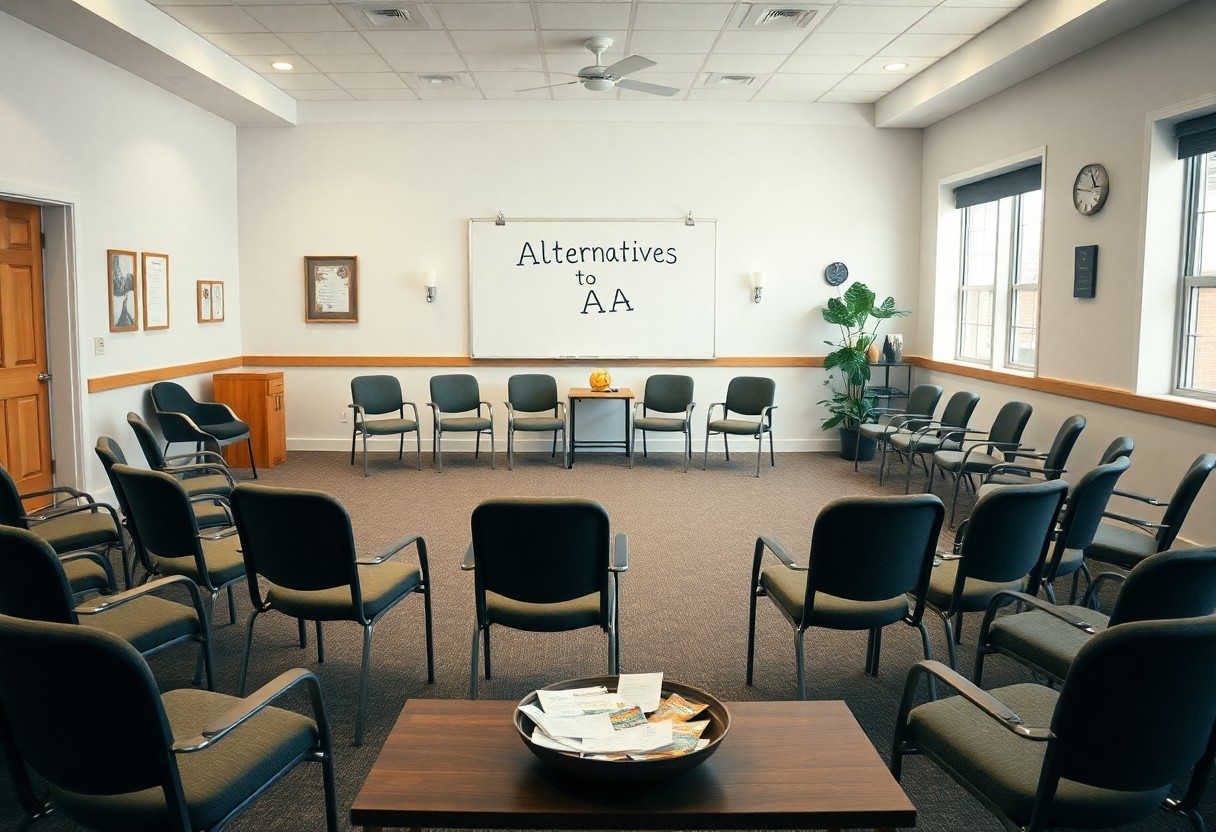
Creating a supportive community is vital in your journey toward lasting sobriety. Engaging with others who understand your struggles can provide encouragement, accountability, and shared experiences that promote healing. Involving yourself in group activities, discussions, and outreach can foster connections that enhance your recovery process. The right community not only uplifts you during challenges but also celebrates your successes, making the path to sobriety feel less isolating.
Alternatives to AA Support Groups
Explore various support group options that suit your preferences and needs beyond traditional AA programs. Consider alternatives like SMART Recovery, which emphasizes self-empowerment and teaches coping strategies, or Refuge Recovery, which draws upon Buddhist principles for healing. Online platforms also offer virtual support communities that operate 24/7, allowing you to connect with others globally. These alternatives can provide tailored support that resonates more closely with your values and recovery goals.
The Role of Family and Friends
Your family and friends can play a pivotal role in your recovery journey. They offer emotional support, practical help, and the reassurance necessary to maintain sobriety. Encouraging open communication about your struggles can strengthen these relationships, transforming them into integral components of your support system.
Family and friends can significantly influence your sobriety by providing a stable support network. Their understanding and encouragement help reduce feelings of isolation and can motivate you to remain committed to your recovery. Active participation from loved ones-such as attending counseling sessions or engaging in sober activities together-reinforces positive behaviors and facilitates healthy interaction. When inviting them to partake in your journey, clearly express your needs and how they can best support you, empowering them to contribute meaningfully to your sobriety.
Creating a Personalized Recovery Plan
A personalized recovery plan empowers you to tackle your unique challenges and leverage your strengths. By assessing your individual triggers, support systems, and coping mechanisms, you can create a roadmap tailored to your needs. This includes outlining specific steps you will take, resources you will utilize, and the timeframe for achieving your goals. Emphasizing your personal values and motivations provides a strong foundation for lasting sobriety.
Goal Setting for Sobriety
Setting concrete, achievable goals is fundamental to your recovery journey. Start by identifying short-term objectives, such as attending weekly support meetings or practicing mindfulness for ten minutes daily. Building on these, establish long-term goals like maintaining sobriety for six months or developing healthier relationships. SMART (Specific, Measurable, Achievable, Relevant, Time-bound) criteria can guide you in defining and articulating your goals effectively.
Tracking Progress and Adjusting Strategies
Monitoring your progress keeps you accountable and enhances your awareness of what works and what doesn’t in your recovery. Regularly assess your achievements, setbacks, and emotional state, using tools like journals or apps to log your experiences. This reflection allows you to adjust strategies accordingly, ensuring your plan remains effective and aligned with your evolving needs.
You might find it beneficial to set specific review periods, such as weekly or monthly check-ins, where you analyze your journal entries or progress logs. By noting patterns in your emotional responses or triggers, you can identify potential obstacles ahead of time. Furthermore, if certain coping mechanisms are less effective than expected, you can pivot to alternative approaches, such as seeking new support networks or incorporating professional therapy. This iterative process ensures your recovery plan evolves with you, promoting sustained sobriety.
Final Words
So, exploring alternatives to Alcoholics Anonymous can empower you to find a path to lasting sobriety that aligns with your personal needs. By considering options like SMART Recovery, online support groups, or professional therapy, you can create a customized recovery plan that fosters resilience and growth. It’s necessary to assess what works best for you, keeping in mind that recovery is a personal journey. Embrace the science-backed strategies available, and take the steps necessary to cultivate a fulfilling, sober life.
FAQ
Q: What are some science-backed alternatives to Alcoholics Anonymous (AA)?
A: Some effective alternatives to AA include SMART Recovery, which focuses on self-management and behavioral change; Moderation Management, promoting controlled drinking; residential treatment programs that combine therapy and support; motivational interviewing techniques; and holistic approaches that integrate fitness and wellness.
Q: How does SMART Recovery differ from AA in its approach?
A: SMART Recovery emphasizes self-empowerment and utilizes cognitive-behavioral techniques. Unlike AA, which is based on a 12-step program and spirituality, SMART encourages individuals to identify and change their thoughts and behaviors related to alcohol use, fostering a more scientific and self-directed path to sobriety.
Q: Can holistic approaches effectively support sobriety?
A: Yes, holistic approaches focus on the whole person-mind, body, and spirit. Techniques such as yoga, meditation, and nutritional counseling can enhance mental clarity and reduce stress, which are vital for maintaining sobriety. Studies indicate that these methods can lead to improved emotional well-being and higher success rates in recovery.